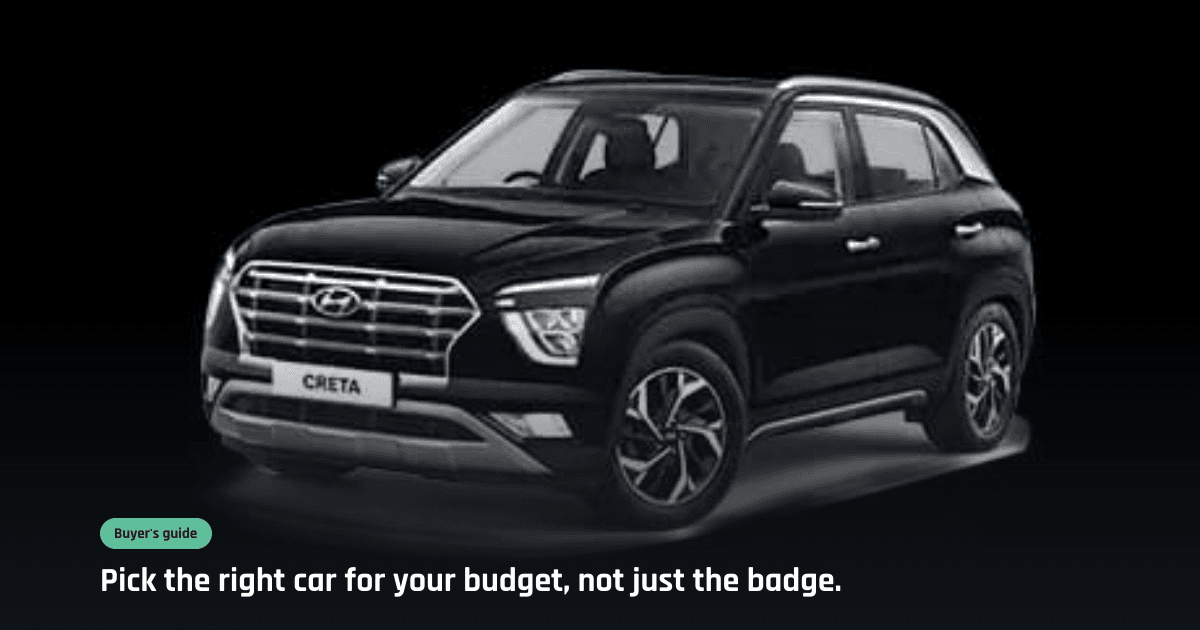
Hyundai is developing the next-generation Creta as part of its India product roadmap to 2030, with test vehicles already running on public roads. The new model is expected to be larger than today’s Creta, move to Hyundai’s newer K3 platform, and add more powertrain choices including strong-hybrid and a future Creta-based EV.
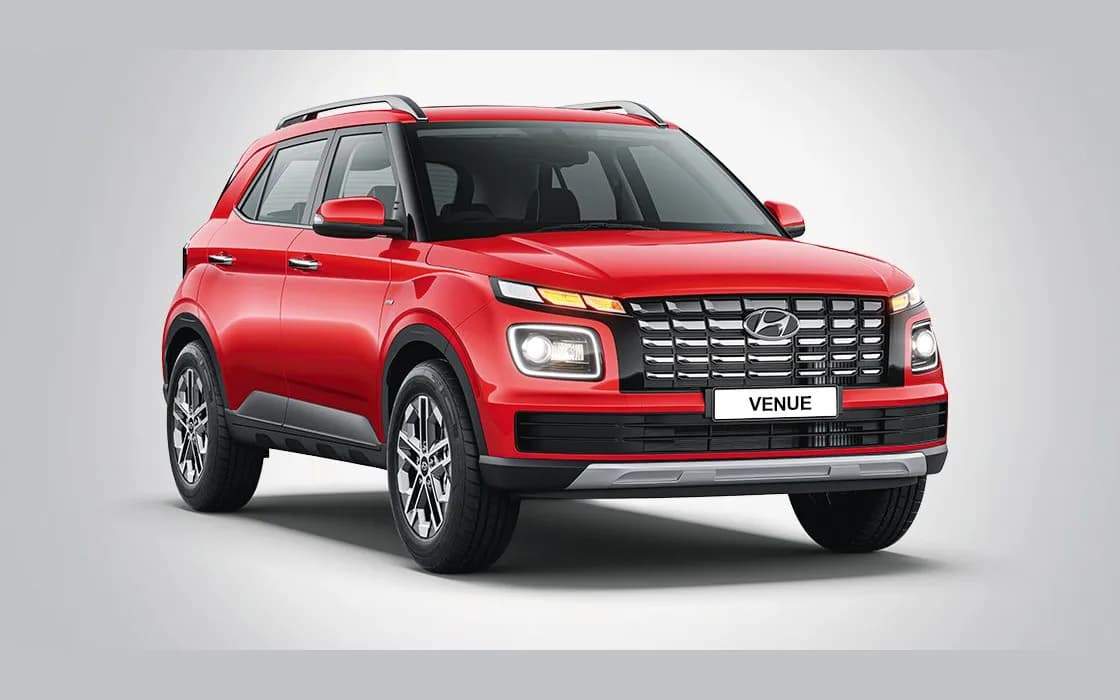
In Nepal, the current Hyundai Creta petrol sits in the mid-size SUV bracket at Rs 55.56 lakh – Rs 80.56 lakh across eight variants. It effectively brackets Hyundai’s existing electric and compact offerings: the Creta EV is priced at Rs 51.96 lakh – Rs 76.96 lakh, the Hyundai Kona at Rs 59.96 lakh – Rs 64.96 lakh, while the smaller Hyundai Venue ranges between Rs 48.96 lakh – Rs 67.96 lakh (with the Venue F/L at Rs 41.96 lakh – Rs 59.96 lakh) and the Hyundai Aura sedan starts at Rs 37.96 lakh. Any larger, more advanced future Creta is therefore likely to remain a step above Hyundai’s entry cars while overlapping with its current EV pricing band.
What is changing with the next Creta

- The test mule appears longer, wider and taller than the current Creta, pointing to more cabin and boot space.
- A longer wheelbase and more upright SUV design are expected, which should give it a stronger road presence.
- Inside, the next Creta is tipped to get a redesigned cabin with bigger digital displays and updated connectivity and infotainment features.
- The move to the K3 platform is important because it supports multiple powertrains, making it easier to offer petrol, diesel, hybrid and EV derivatives from the same basic architecture.
The engine line-up is expected to start with today’s familiar 1.5-litre petrol and diesel motors, with a new strong-hybrid system added on top. A dedicated compact electric SUV, positioned as an A-segment EV in India and benchmarked against the Tata Punch.ev, is also in development, with a global debut targeted around the fourth quarter of 2026. That EV is expected to feature multiple battery sizes, Hyundai’s Pleos infotainment system and Level 2 driver assistance, all of which would be relevant for any future Nepal import.
Hyundai's Broader India Plans
Hyundai plans to launch 26 new models in India by 2030. Among these, the first new model will be a compact electric SUV codenamed HE1I, expected to launch in the fourth quarter of 2026. This EV will feature a 9.9-inch digital instrument cluster and a 12.9-inch touchscreen infotainment system based on the Android Automotive Operating System, along with Level 2 ADAS for safety. The new compact electric SUV will be based on Hyundai's E-GMP (K) platform and will offer standard-range and long-range battery options. Initially, Hyundai will use battery cells supplied by Svolt, with plans to shift to Exide once local production is ready.
The HE1i will also feature dual 10.25-inch displays, a 360-degree camera, and automatic climate control. It is expected to have battery options of 42 kWh and 49 kWh, providing a range of 300-355 km.

Following this, Hyundai is also preparing to launch a new B-segment SUV by September 2027, which will be about 4.2 meters long and compete with the Maruti Suzuki Victorious SUV. This model is expected to offer a 1.5-liter petrol engine and potentially a CNG option.
The third-generation Creta is anticipated to launch in India by mid-2027, with a length of about 4.4 meters and a wheelbase of about 2.7 meters.
What this means for Nepali buyers
For Nepali customers who already know the Creta as a petrol or EV mid-size SUV around the Rs 52–81 lakh band, Hyundai’s roadmap suggests that the Creta nameplate could evolve into a small family: one petrol/diesel model, a fuel-saving strong-hybrid and a dedicated Creta-based EV. None of these have been officially confirmed for Nepal yet, and no Nepal launch dates or prices are announced, but the brand’s existing Creta EV and Kona EV presence here makes future hybrid and EV Cretas a realistic possibility once the India vehicles are closer to launch.
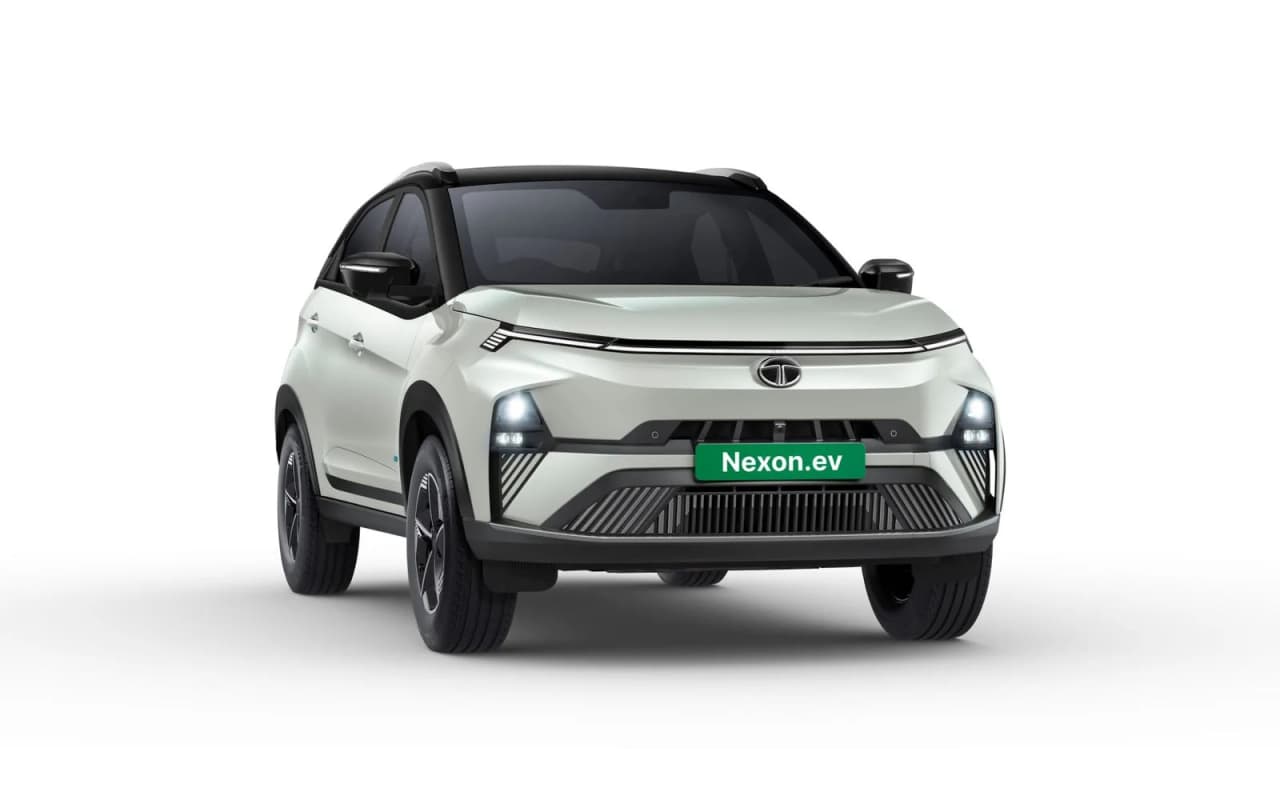
Additionally, the new compact EV codenamed HE1i will feature Hyundai’s Pleos Connect infotainment system and offer Level 2 assisted driving technology. The EV is expected to be offered in standard-range and long-range versions, with a battery capacity of around 42–51 kWh and a claimed range of up to 450 km. It will compete with models such as the Tata Nexon EV, Mahindra XUV 3XO EV, and Kia Syros EV in India, making it a strong contender in the mass-market EV segment.
Our own record on this
Each is a dated change we applied to a published ex-showroom price after checking it. A logged change may be a distributor's revision or our own correction coming into line with the official figure — the log says which way each one moved, and when, not why.
See the full price-change log →- Tata Punch EV: tatacars.sipradi.com.np — checked 2026-10-13
- Tata XPRES-T EV: tatacars.sipradi.com.np — checked 2026-10-13
- Tata Punch: tatacars.sipradi.com.np — checked 2026-10-13
- Hyundai Venue F/L: laxmihyundai.com — checked 2026-10-07
- Tata Nexon EV: tatacars.sipradi.com.np — checked 2026-10-13
- Hyundai Venue: laxmihyundai.com — checked 2026-10-13
- Hyundai Creta EV: laxmihyundai.com — checked 2026-10-07
- Hyundai Creta: laxmihyundai.com — checked 2026-10-07
- Hyundai KONA: laxmihyundai.com — checked 2026-10-07
Writes on vehicle pricing, taxation and the Nepali auto market from ongoing tracking of distributor price lists. Every price in this piece is read live from the Nepal AutoMart catalog — how we verify prices.