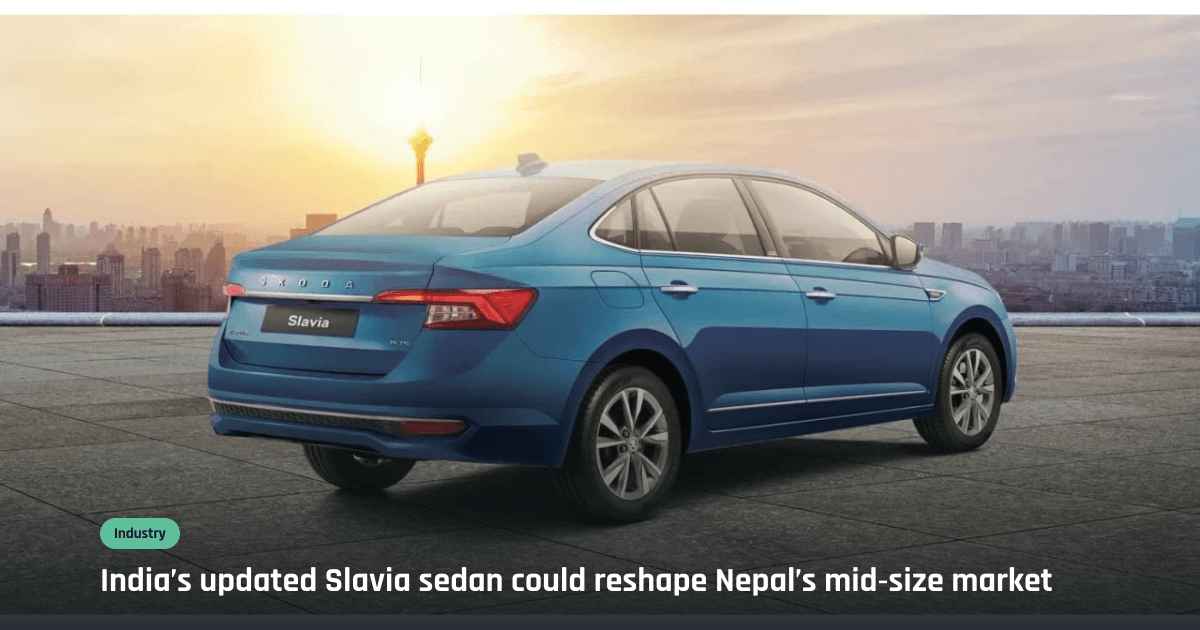
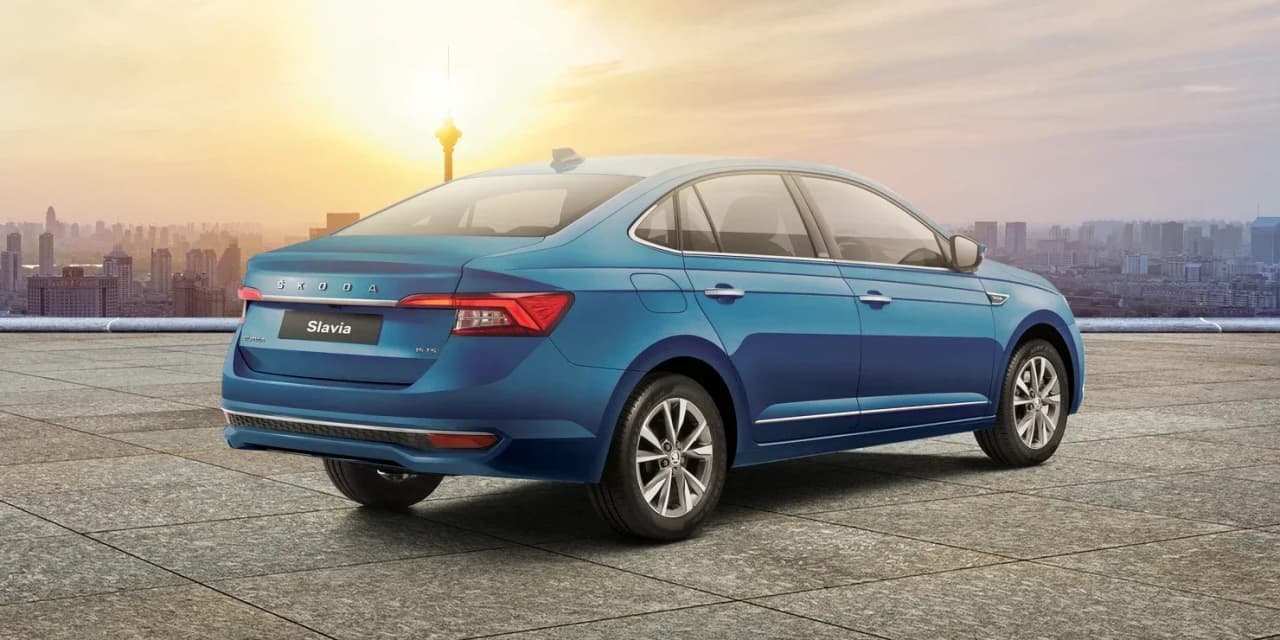
Volkswagen’s midsize sedan Virtus is testing in facelifted form in India ahead of a festive-season launch, signalling a round of updates that are very likely to reach Nepal later. Spy shots from the Mumbai–Pune expressway show cosmetic and mechanical changes being readied for the Indian market.
Where Virtus sits in Nepal today
Virtus is already on sale here, with ex-showroom prices from Rs 54.90 lakh to Rs 89 lakh across three variants. The current range is:
- Comfortline TSI MT: Rs 54.90 lakh
- GT Plus MT: Rs 84 lakh
- GT Plus AT: Rs 89 lakh
In price and positioning, Virtus sits in the same band as Skoda Slavia (Rs 53.90 lakh – Rs 89.90 lakh) and Honda City (Rs 63 lakh – Rs 103 lakh). It also lines up against VW’s own SUVs: the Taigun at Rs 54.90 lakh – Rs 93 lakh. For a buyer looking at Taigun base variants, Virtus today is effectively the sedan alternative at the same entry price.
What’s changing on the India-spec Virtus
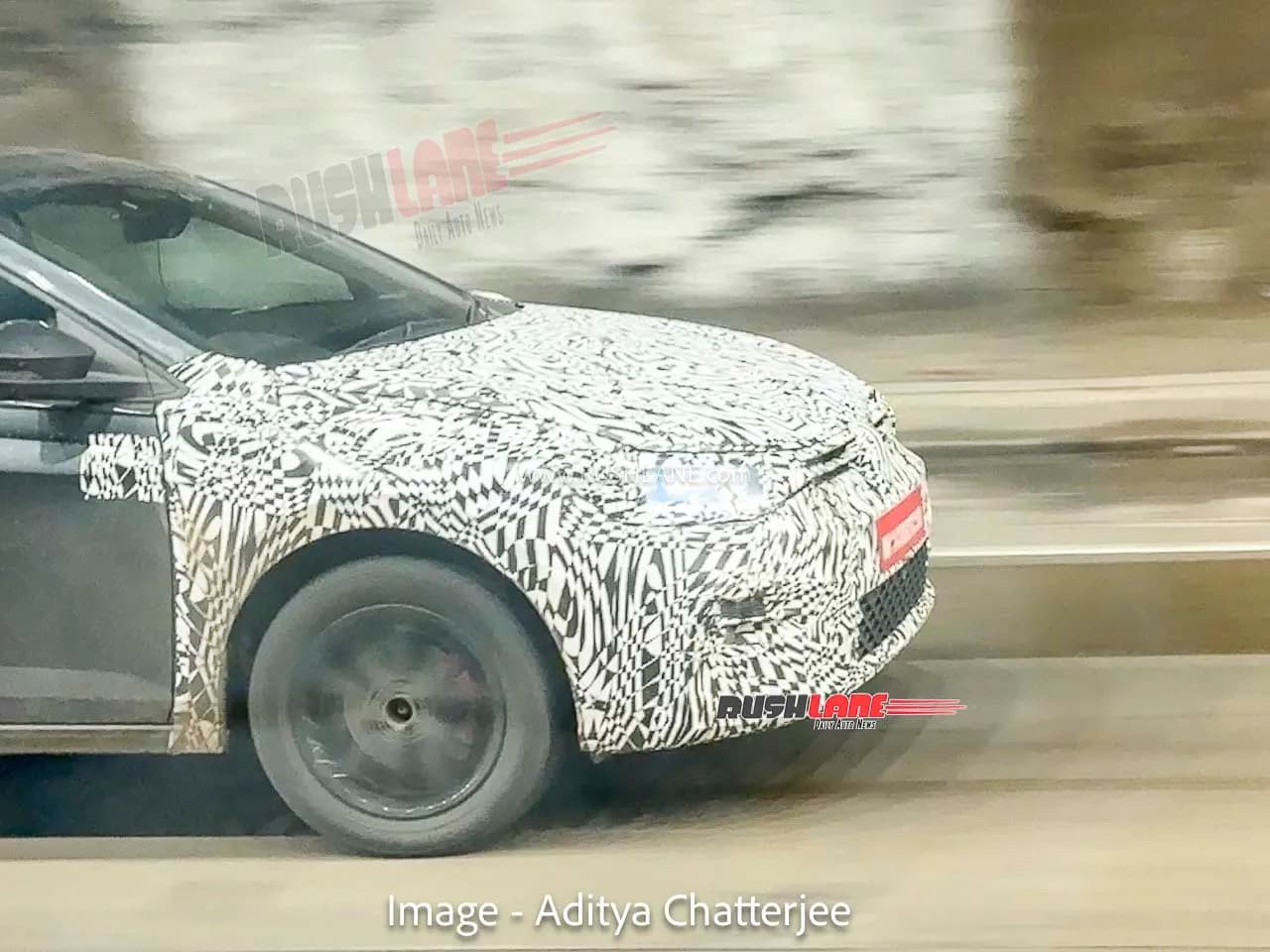
The camouflaged test car in India points to a revised front end. Overall bonnet and proportions look familiar, but the headlamp, grille and bumper sections are hidden, hinting at new LED signatures, a tweaked grille and reshaped bumper. Earlier prototypes have also suggested changes to the front air intake and lighting elements.
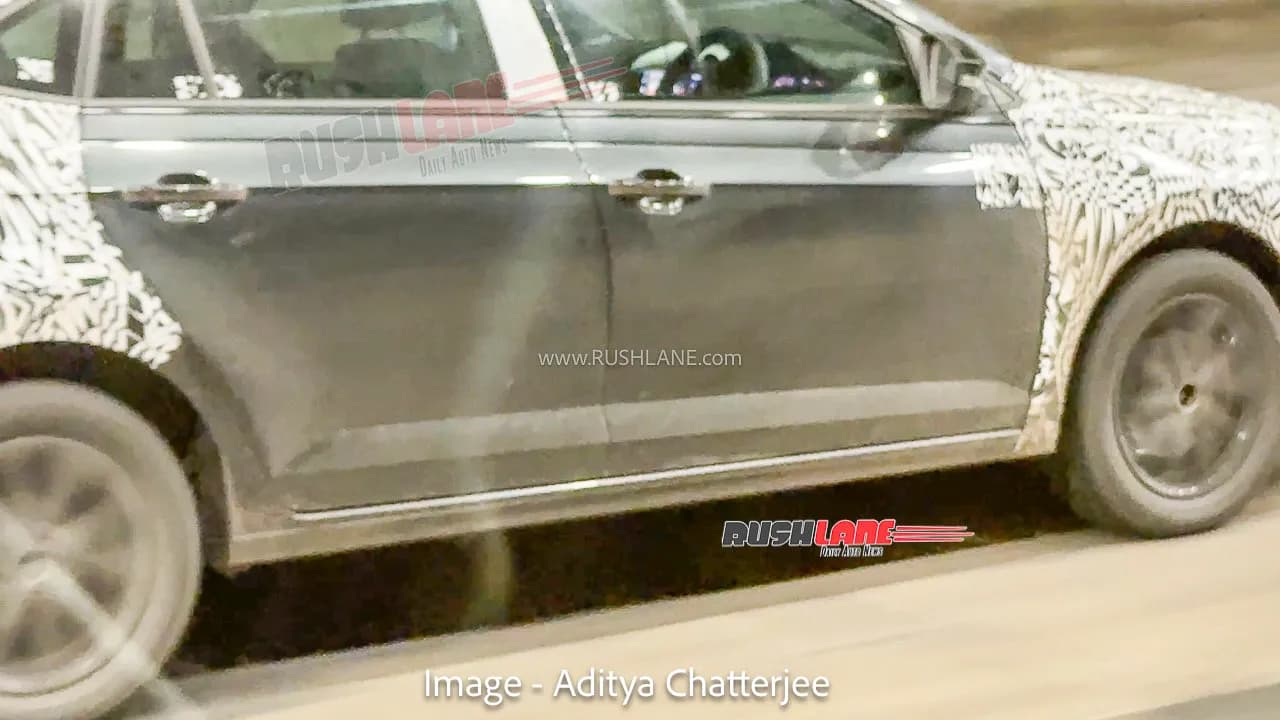
At the rear, the boot and bumper remain under wrap, but the visible tail lamps show a different internal LED pattern with two horizontal light elements on each side. Whether this becomes a fully connected light bar running across the boot is still not clear. The side profile, doors, window line and roof appear unchanged, so this is a classic mid-cycle refresh rather than a full redesign.
Under the skin, the Virtus continues to share platform and engines with the Skoda Slavia. The 1.0-litre TSI petrol is expected to stay around 115 PS and 178 Nm, and the 1.5-litre TSI around 150 PS and 250 Nm with a 7-speed DSG. The most important mechanical update for everyday buyers is a new 8-speed torque-converter automatic for the 1.0 TSI, replacing the older 6-speed auto. This gearbox is already in use on other India 2.0 models, so its migration to Virtus is a logical step.
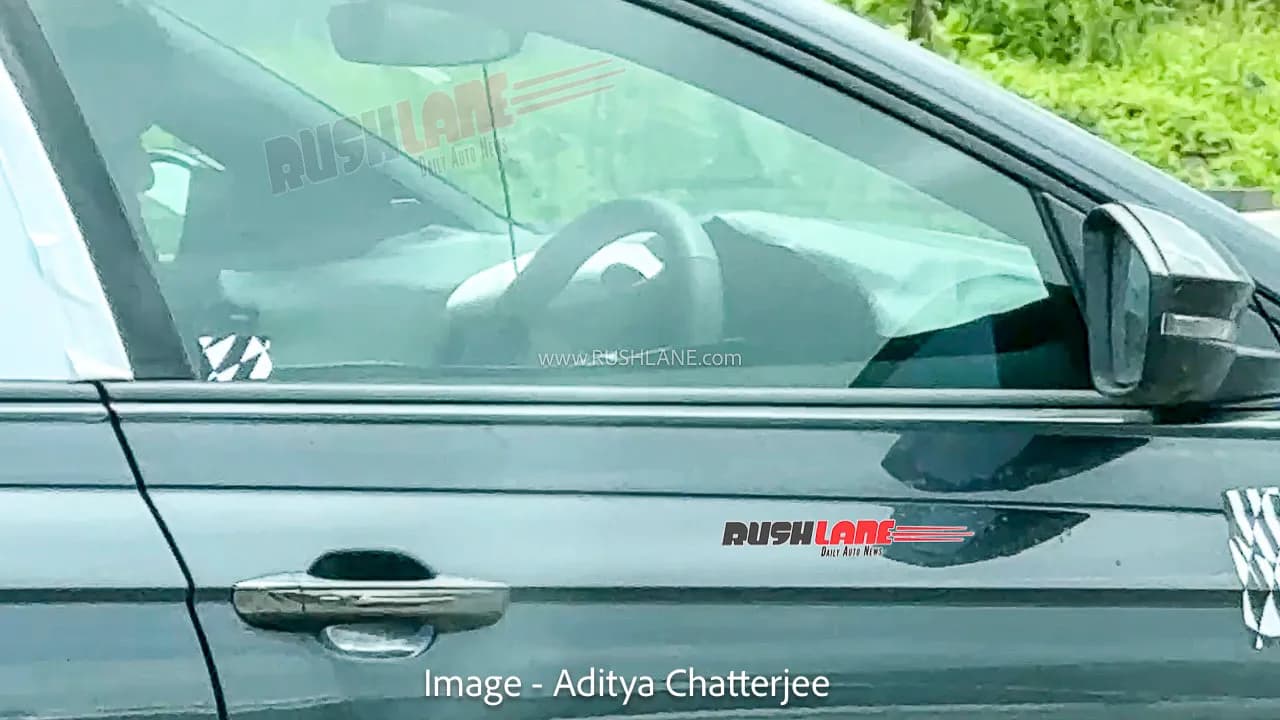
On the features side, the facelift is widely expected to bring:
- Upgraded 10.25-inch digital instrument cluster
- Updated infotainment system
- 360-degree camera
- Extra convenience equipment and likely some safety-tech upgrades
Exact variant-wise feature distribution will be known only at launch in India.
What this could mean for Nepali buyers
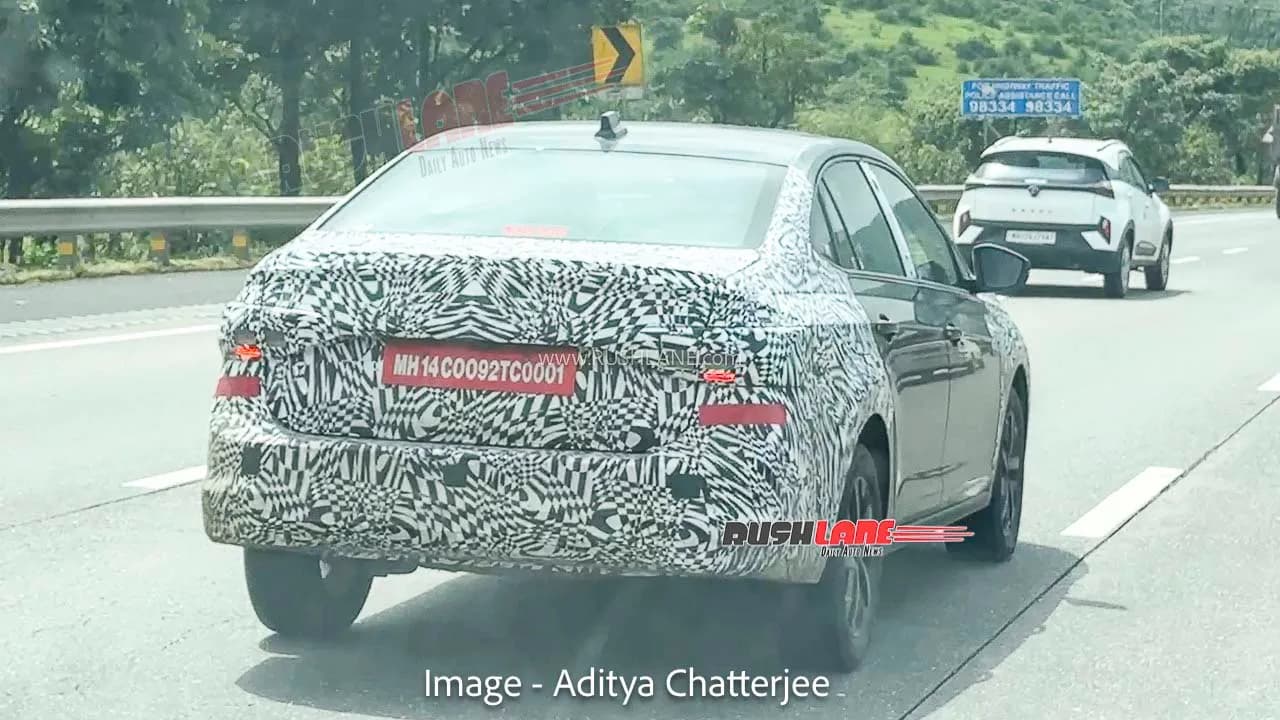
Nepal brings in Virtus from the India programme, so any confirmed India facelift usually reaches our market with a short lag, subject to local stock and homologation. At the moment there is no official Nepal announcement or date for the facelift, so existing cars on sale here continue with the current design, gearbox options and feature set.
For potential buyers, the facelift raises three practical questions:
- Timing: If India gets the new Virtus around the festive season 2026, Nepali showrooms may continue clearing current stock into Dashain and Tihar and only shift to the facelift once Indian supply stabilises. There is no confirmed Nepal timeline yet.
- Price impact: Feature additions such as a larger digital cluster and 360-degree camera, plus the new 8-speed auto, typically push ex-showroom prices up. With Virtus already between Rs 54.90 lakh and Rs 89 lakh, any facelifted batch landing here is likely to sit at the same band or slightly higher, depending on spec.
- Competition: Honda City (from Rs 63 lakh to Rs 103 lakh) and Skoda Slavia (Rs 53.90 lakh – Rs 89.90 lakh) are already available to Nepali sedan buyers. If Virtus picks up a stronger feature list or smoother automatic gearbox from India, it could pressure rivals to refresh their own offerings or adjust equipment at similar price points.
India sales picture and why Nepal should care

Ahead of this update, Virtus is performing well in India’s midsize sedan segment. In August 2026 it recorded 1,301 units, ahead of Skoda Slavia on 897 units, Hyundai Verna on 529 units and Honda City on 514 units. That said, Virtus sales are down about 22% year-on-year, so the facelift is important for Volkswagen to keep momentum through the festive season.
For Nepal, strong Indian volumes matter because they keep the India 2.0 platform active and stocked. That tends to bring better parts availability, more frequent updates and a wider variant mix for our market too. If the facelifted Virtus also introduces newer safety tech and convenience features, Nepali buyers who can wait for an official announcement may get a more modern sedan for roughly the same ex-showroom money.
Verdict: for now, Virtus remains a solid Rs 54.90–89 lakh sedan choice in Nepal, and buyers who are not in a rush may want to watch how the India facelift and its likely price bump unfold before signing a bluebook here.
Our own record on this
Each is a dated change we applied to a published ex-showroom price after checking it. A logged change may be a distributor's revision or our own correction coming into line with the official figure — the log says which way each one moved, and when, not why.
See the full price-change log →- Skoda Slavia: skoda.com.np — checked 2026-10-12
- Honda City: honda.com.np — checked 2026-09-08
Writes on vehicle pricing, taxation and the Nepali auto market from ongoing tracking of distributor price lists. Every price in this piece is read live from the Nepal AutoMart catalog — how we verify prices.