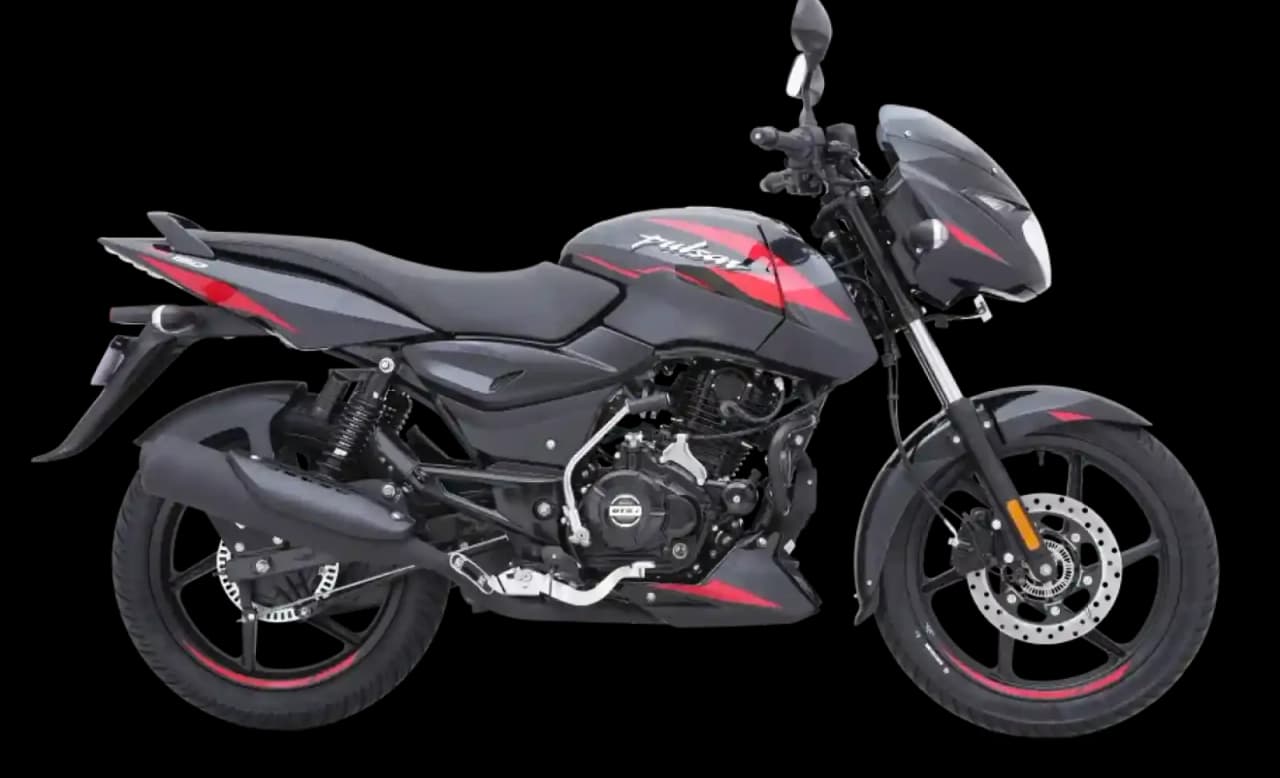
Bajaj Auto has announced an ambitious plan to launch 10 new two-wheelers within the next six weeks, including next-generation Pulsar 125 and 150 models and updated Chetak electric scooters. This rollout is part of a broader strategy that includes a significant capacity expansion from 7.2 million to over 9 million units annually, primarily to support electric two-wheelers, three-wheelers, and premium motorcycles. The company reported total sales of 4,74,677 units in July 2026, marking a 30% year-on-year growth compared to July 2025.
What Bajaj is Changing in India
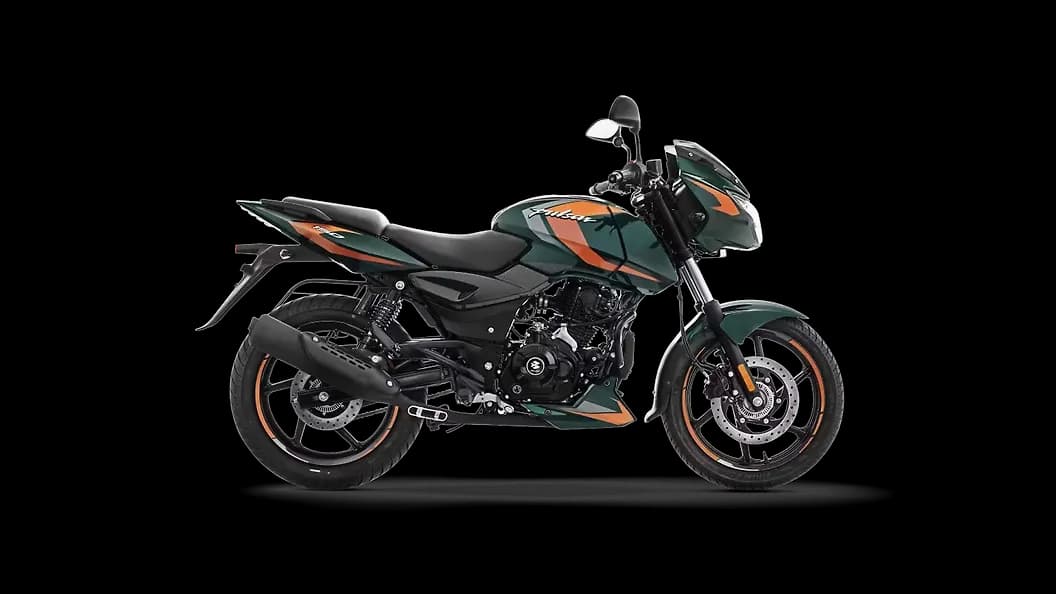
- The new Pulsar 125 and Pulsar 150 are described as next-generation models, featuring a new chassis with a centrally mounted rear monoshock, options for single-piece and split seats, and tech upgrades like LED headlights, Bluetooth connectivity, and a digital instrument cluster. Leaked images reveal significant upgrades including a new LED headlamp, redesigned tail lamp, and a larger color instrument cluster.
- Bajaj is also increasing its production capacity to support higher volumes of electric and premium motorcycles, which is expected to benefit export markets like Nepal. The company is gearing up for a busy product launch calendar, with a launch event scheduled on 12th August.
Nepal Angle: Why These Pulsars Matter Here
Bajaj Pulsar is a leading motorcycle brand in Nepal, especially in the 125–150cc commuter segment. Any major update to the Pulsar lineup in India typically reaches Nepal with a short lag. For Nepali buyers, the key implications are:
- Future model upgrades: Current Pulsar 125 and 150 models in Nepal are expected to be replaced or supplemented by these new-generation models.
- Possible price adjustments: With new designs and features, prices in Nepal could see a moderate increase, estimated at Rs 10,000–30,000 higher per model.
- Feature trickle-down: Modern equipment added in India is likely to reach Nepal, enhancing the Pulsar range's competitiveness.
Chetak EV and Bajaj's Electric Focus
Bajaj plans to increase the monthly production of the Chetak electric scooter from 50,000 to 60,000 units. For Nepal, where interest in electric scooters is rising, this could mean better availability and more options for buyers looking to shift from petrol scooters to EVs.
Impact on Supply and Waiting Periods
The planned 25%-plus capacity expansion is positive for Nepal’s importers. A higher production base in India should help reduce supply bottlenecks, potentially shortening waiting periods during peak buying seasons like Dashain–Tihar.
Current Prices on Nepal AutoMart
- Bajaj Pulsar 125 price in Nepal: Rs 2.73 lakh – Rs 2.93 lakh ex-showroom, 4 variants
- Bajaj Pulsar 150 TD price in Nepal: Rs 3.36 lakh ex-showroom
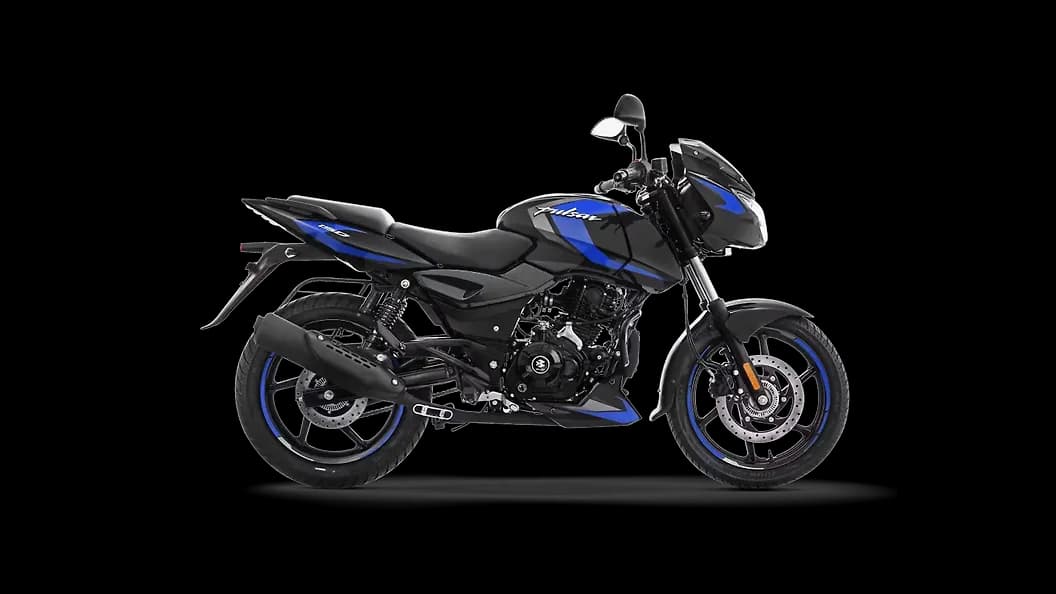
Bajaj's strong financial performance, with a 46% increase in consolidated net profit and sales volumes up 29%, supports these developments, making it likely that these Indian-market launches and capacity expansions will be reflected in the Nepali showroom lineup.
Our own record on this
Bajaj Pulsar 125: 3 · Bajaj Pulsar 150: 7. Each is a dated change we applied to a published ex-showroom price after checking it. A logged change may be a distributor's revision or our own correction coming into line with the official figure — the log says which way each one moved, and when, not why.
See the full price-change log →- Bajaj Pulsar 150: hhbajaj.com.np — checked 2026-10-12
Writes on vehicle pricing, taxation and the Nepali auto market from ongoing tracking of distributor price lists. Every price in this piece is read live from the Nepal AutoMart catalog — how we verify prices.