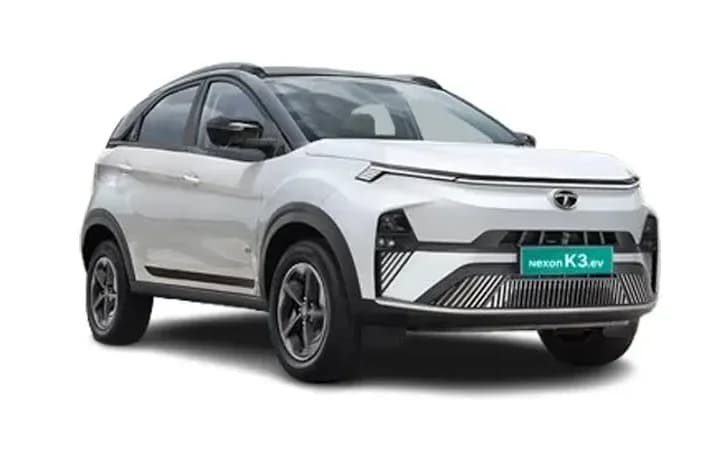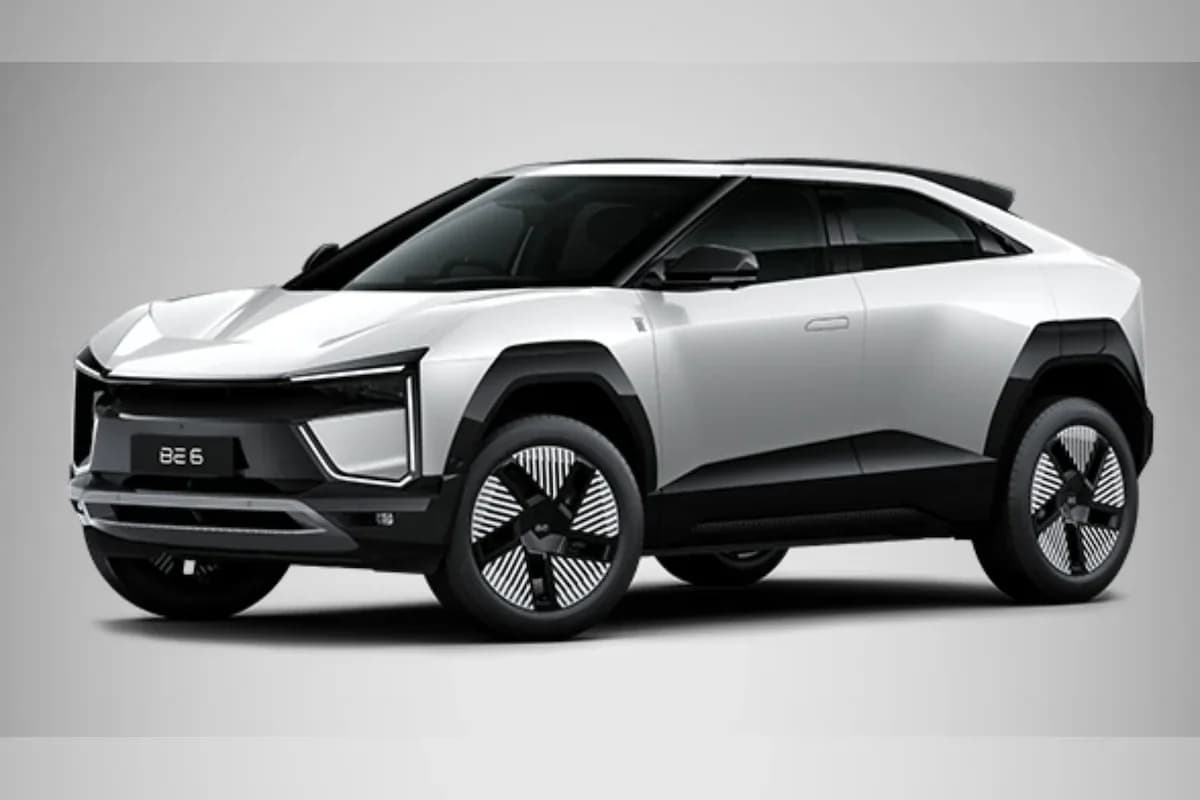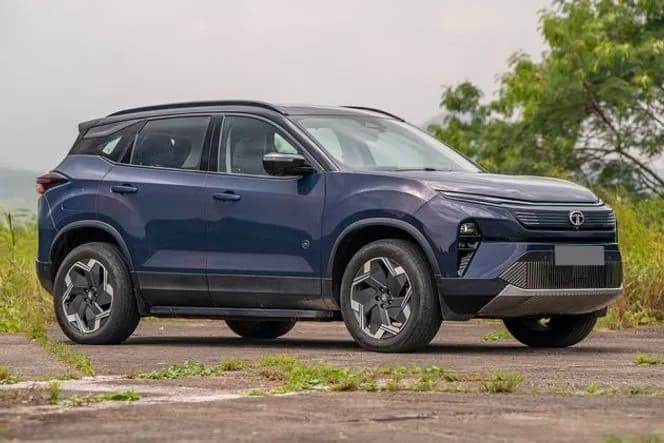
Tata Motors is developing an electric version of the Safari SUV with a focus on tech and long-distance comfort. The big update inside is a triple‑screen dashboard: a digital instrument cluster, a central infotainment screen and a separate display for the front passenger.
Seats, layout and rivals
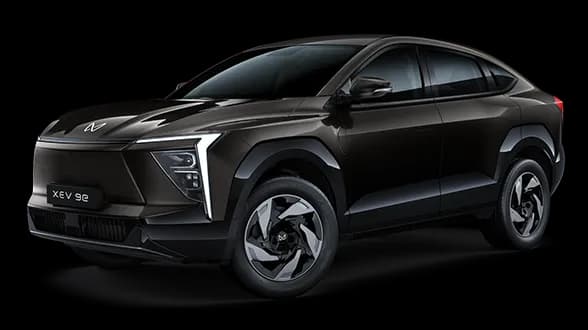
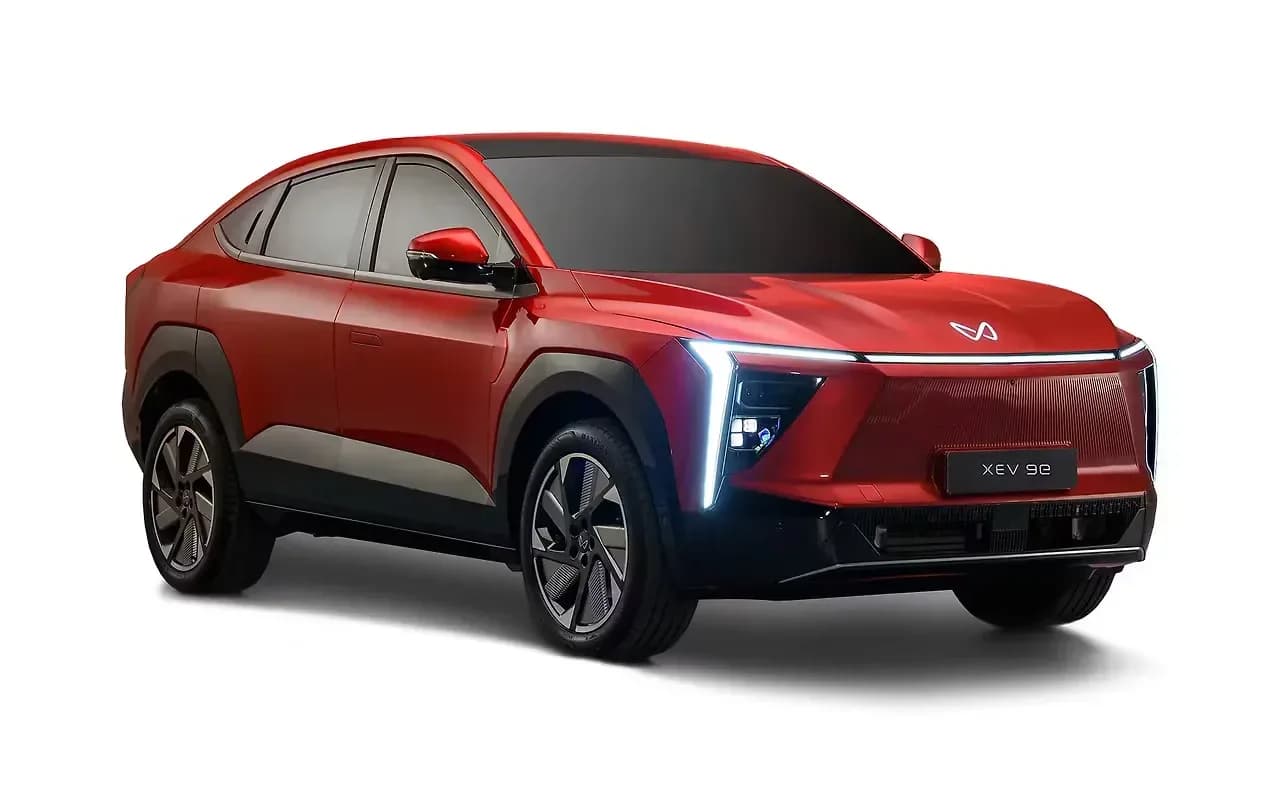
Safari EV is planned as a three-row SUV with 6 or 7 seats. That puts it directly against other large electric SUVs such as the Mahindra XEV 9e in India. For Nepali buyers looking at family EVs, this signals that more three-row electric options could follow later.
Battery, range and charging
Reports from India suggest two battery packs: 65 kWh and 75 kWh. On the Harrier EV, which uses the same sizes, the 65 kWh pack delivers a certified 538 km range, while the 75 kWh pack offers up to 627 km in rear‑wheel‑drive form and 622 km with a dual‑motor all‑wheel‑drive setup. Those figures give a good idea of what to expect from Safari EV as well.
Fast charging support of up to 120 kW DC is expected. On Harrier EV, that level of fast charge takes the battery from 20% to 80% in around 25 minutes, so Safari EV should be in the same ballpark.
Features and safety tech
Safari EV is expected to share many of Harrier EV’s premium features, such as:
- Digital IRVM and dashcam
- 540‑degree camera system
- Auto park assist
- Ventilated seats
- JBL branded audio setup
Advanced driver assistance is likely to include Level 2 ADAS, along with vehicle‑to‑load and vehicle‑to‑vehicle power transfer, letting the SUV power appliances or even charge another EV.
Price expectations vs Harrier EV
In India, Harrier EV is priced between Rs 21.79 lakh and Rs 30.54 lakh ex‑showroom. Safari EV is expected to be a bit more expensive, with indicative estimates of around Rs 22 lakh to Rs 32 lakh ex‑showroom.
For Nepal, there is no official confirmation yet from Tata’s local distributor on Safari EV launch timing or pricing. Given Harrier EV’s positioning and the Safari’s larger three-row body and extra tech, Safari EV is likely to sit at the higher end of Tata’s future EV line-up here if and when it arrives.
Our verdict
For Nepali families waiting for a big, feature-rich electric SUV, the Safari EV looks like a promising future option, but it remains an India-side development for now. Until a Nepal distributor announcement comes, buyers should treat the Safari EV as one to watch rather than something to plan a near-term purchase around.
Writes on vehicle pricing, taxation and the Nepali auto market from ongoing tracking of distributor price lists. Editorial policy.