Start with the numbers
Compare at a glance
Top available variants, with prices in Nepalese rupees. Expand details to choose another variant.
| At a glance | Yamaha RayZR 125 | TVS Ntorq 125 |
|---|---|---|
| Ex-showroom price | Rs 3.23 lakh | Rs 3.7 lakh |
| Fuel | Hybrid | Petrol |
| Selected variant | Hybrid Disc | 150 |
Ex-showroom prices exclude registration, road tax and insurance. Specifications can vary by trim. See individual source-check dates ↓
The 125cc Landscape in Nepal
Deciding between the Yamaha RayZR 125 and the TVS Ntorq 125 is the most common dilemma for Nepali scooter buyers. These two models represent the split in the current market. Yamaha focuses on efficiency and extreme weight reduction, while TVS targets performance and advanced connectivity.
Yamaha is brought to Nepal by MAW Rides Pvt. Ltd., which has established a massive footprint with 247 showrooms across the country. They also support riders with 90 service centres. TVS, distributed by Jagdamba Motors, counters with a wider sales reach of 300 showrooms and a network of 53 service centres.
Design and Road Presence
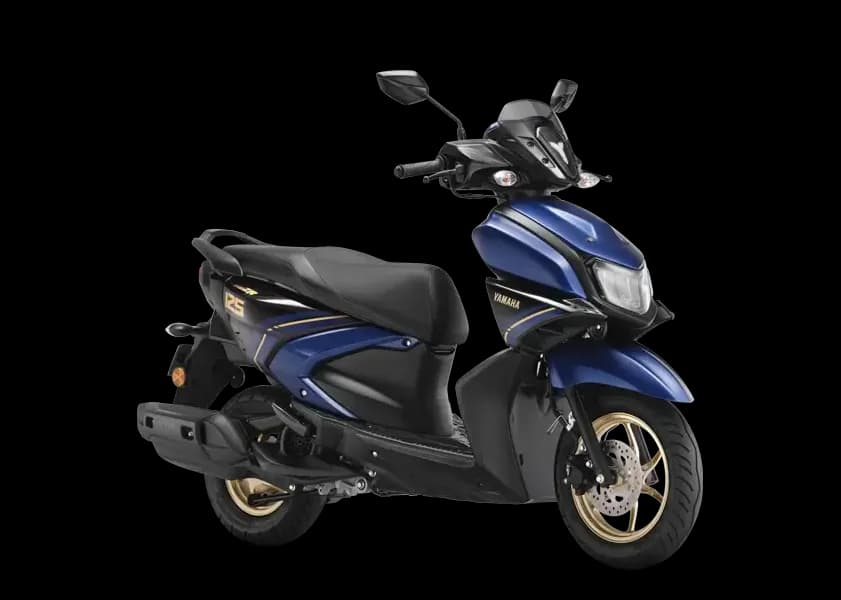
Yamaha RayZR 125 uses a sharp, rally-inspired aesthetic. It looks aggressive with its brush guards and block-pattern rear tyre. The front apron is busy with layered plastic panels that give it a robotic look. This design is polarising but definitely helps it stand out in Kathmandu traffic. The use of plastic is heavy, which keeps the weight down but feels less premium to some owners.
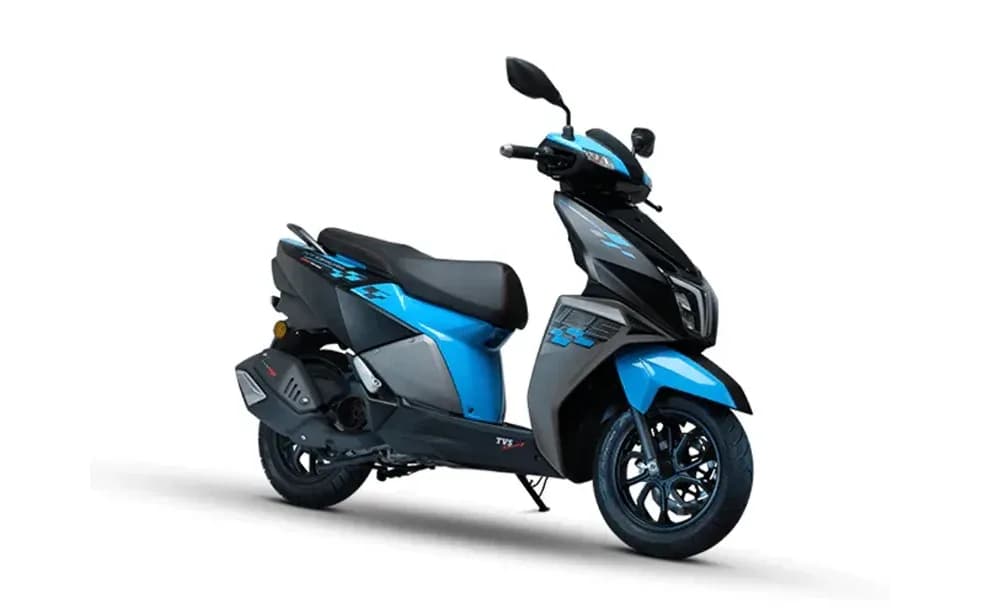
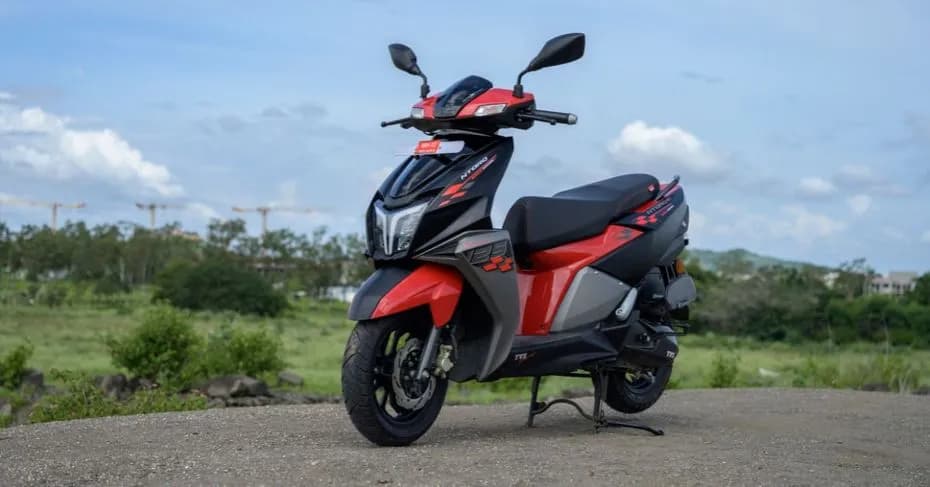
TVS Ntorq 125 takes a different path with its stealth aircraft-inspired design. It features sharp creases, an angular front apron, and a signature T-shaped LED tail lamp. It looks wider and more substantial on the road than the Yamaha. The Ntorq feels like a larger machine, which appeals to riders who want a 'big scooter' feel.
The Top Variant Showdown
To see what these brands can really do, we have to look at their flagship versions. The Yamaha RayZR 125: Hybrid Disc is priced at Rs 3.23 lakh. It represents the peak of Yamaha's efficiency tech. Against it stands the TVS Ntorq 125: 150, which sits at Rs 3.70 lakh.
There is a price difference of Rs 47,000 between these two flagships. For that extra money, the TVS 150 offers a much larger 149.7 cc engine compared to the 125 cc unit in the Yamaha. The TVS also brings sophisticated features like riding modes and a full-digital display that the Yamaha cannot match in complexity.
Engine Performance and Hybrid Technology
Yamaha RayZR 125 uses a Smart Motor Generator (SMG) system. This is a mild hybrid setup where the starter motor acts as an electric motor to give a power boost during initial acceleration. It produces 8.2 PS and 10.3 Nm of torque. While the power figures look modest, they are delivered to a frame that weighs only 99 kg. This gives it a surprisingly brisk start from traffic lights.
TVS Ntorq 125 in its 150 trim is on a different level of performance. The 149.7 cc engine produces 13.2 PS and 14.2 Nm of torque. This makes it the most powerful scooter in this comparison. It has a much higher top speed and pulls with more authority on uphill climbs like the road to Nagarkot or through the Chandragiri twists. Even the standard 125cc Ntorq variants produce 9.38 PS, which is still higher than the Yamaha.
Ride, Handling, and Nepali Road Realities
Handling is where the Yamaha RayZR 125 claws back ground. At 99 kg, it is one of the lightest 125cc scooters you can buy. This makes it incredibly easy to flick through tight gaps in urban congestion or for shorter riders to manage in parking lots. However, the 145 mm ground clearance is a weak point. It is low enough to scrape the underbelly on many of Nepal’s high speed bumps or deep potholes if you are carrying a pillion.
TVS Ntorq 125 is significantly heavier at 115 kg for the 150 variant. While it feels more planted and stable at high speeds, it takes more effort to maneuver in stop-and-go traffic. The big advantage for Nepali riders is the 155 mm ground clearance. That extra 10 mm makes a noticeable difference when navigating broken city roads or unpaved sections. The suspension on the Ntorq is tuned for sportiness, which means it feels stiff and can be a bit harsh on the back over rough patches.
Features and Connectivity
TVS Ntorq 125 dominates the tech conversation. The SmartXonnect system is the best in its class. It gives you turn-by-turn navigation on the dashboard, caller ID, and ride statistics. The higher trims even feature voice assist and different riding modes like Street and Race. It also has an external fuel filler cap, which is far more convenient than lifting the seat at every petrol pump.
Yamaha RayZR 125 is simpler. The Hybrid Disc variant has a digital instrument cluster and LED lighting, but it lacks the deep smartphone integration found in the TVS. Yamaha includes a side-stand engine cut-off switch as a safety feature. The under-seat storage is 21 litres, which is almost identical to the 22 litres offered by TVS. Both can fit a standard helmet, but bulky full-face helmets may struggle in both.
Warranty and After-sales Support
Yamaha offers a manufacturing defect warranty of 2 years or 30,000 km. There is also a 1-year or 10,000 km warranty on the battery. Yamaha's service network in Nepal is highly regarded for its reliability, though owners must strictly follow the service schedule of 6 free and 5 paid services to keep the warranty valid.
TVS provides a longer 5-year or 50,000 km warranty on its scooters. This is a significant advantage for long-term ownership peace of mind. While TVS has more showrooms, some owners have noted that spare parts can be more expensive than those for Japanese competitors.
Practicality and Running Costs
Running costs are the Yamaha's strongest selling point. The RayZR 125 Hybrid Disc has a claimed mileage of 71.33 km/l on the ARAI cycle. In real-world Kathmandu riding, it consistently outperforms almost every other scooter in its segment. It is the choice for anyone who wants to visit the petrol pump as infrequently as possible.
TVS Ntorq 125 prioritises speed over fuel. The Ntorq 150 variant has a claimed mileage of 40.5 km/l, while the standard 125cc trims range between 45 and 52 km/l. These figures are not directly comparable to Yamaha's ARAI rating, but the trend is clear: the Ntorq uses more fuel. The Ntorq does have a larger fuel tank at 5.8 litres compared to Yamaha's 5.2 litres, which helps slightly with the total range.
Variant Breakdown and Pricing
Both brands offer multiple trims to hit different price points in the Nepali market.
Yamaha RayZR 125 Variants:
- Hybrid Disc: Rs 3.23 lakh
- Hybrid Drum: Rs 2.92 lakh
TVS Ntorq 125 Variants:
- 150: Rs 3.70 lakh
- Ntorq XP: Rs 3.35 lakh
- Standard: Rs 3.35 lakh
- Blaze Blue: Rs 3.34 lakh
- Red: Rs 3.34 lakh
- Ntorq RTFI BS6: Rs 3.16 lakh
- Ntorq Disc Fi: Rs 2.94 lakh
- NTorq Disc: Rs 2.72 lakh
- NTorq Drum: Rs 2.49 lakh
- NTorq Race XP FI BS6: Price not confirmed
Verdict
The choice between these two depends entirely on your daily route and priorities.
Choose the Yamaha RayZR 125 if your main goal is low running costs and easy handling. It is the mileage champion of Nepal, and its 99 kg weight makes it a joy to use in heavy traffic. It is the sensible, high-resale-value choice for a daily commuter who wants a reliable Japanese machine.
Choose the TVS Ntorq 125 if you want the most tech and power available in a scooter. The 150 variant is significantly faster and better equipped than anything else in the category. The higher ground clearance and 5-year warranty make it better suited for riders who face rough roads and want a feature-packed, sporty experience. The main limitation is the higher fuel consumption and the weight, which can feel bulky compared to the agile Yamaha.
Compare Yamaha RayZR 125 vs TVS Ntorq 125 variant by variant
Explore full specifications, variants & ownership context
Compare the exact variants
Specifications, features & ownership context
Choose a variant for each vehicle. The facts below follow that exact trim; the article explains the trade-offs.
Latest catalog and directory records supplement the original analysis. Figures may have changed since publication; individual specification and price-check dates appear below.
Yamaha RayZR 125
Rs 3.23 lakh ex-showroom · source checked 13 Oct 2026
TVS Ntorq 125
Rs 3.7 lakh ex-showroom · source checked 12 Oct 2026
Engine & performance
| Specification / feature | Yamaha RayZR 125 | TVS Ntorq 125 |
|---|---|---|
| Engine displacement | 125 ccResearched · confirm · 28 Sept 2026 | 149.7 ccResearched · confirm · 1 Oct 2026 |
| Max power | 8.2 PSResearched · confirm · 27 Sept 2026 | 13.2 PSResearched · confirm · 1 Oct 2026 |
| Max torque | 10.3 NmResearched · confirm · 27 Sept 2026 | 14.2 NmResearched · confirm · 1 Oct 2026 |
Dimensions & weight
| Specification / feature | Yamaha RayZR 125 | TVS Ntorq 125 |
|---|---|---|
| Ground clearance | 145 mmResearched · confirm · 28 Sept 2026 | 155 mmResearched · confirm · 1 Oct 2026 |
Yamaha RayZR 125
Showroom & service support
Distributor: MAW Rides Pvt. Ltd. (Yamaha Nepal)
247 listed brand showrooms · 90 listed brand service locations
Listed cities include [unknown city], [Unknown], Aanbu Khaireni, Attariya, Baglung, Baletaksar and 102 more.
Brand-wide directory coverage. Confirm that your nearest workshop supports this exact model, powertrain and warranty work; ask about parts availability and booking time.
Market buzz & buyer priorities
Compiled discussion, including buyer reactions and ownership reports; this is not a verified owner survey or a reliability score. Research dated 3 Oct 2026.
What people like
- Exceptional fuel efficiency provided by the FI Hybrid system
- Lightweight build at 99kg makes it easy to maneuver in Kathmandu traffic
- Aggressive and modern styling that appeals to younger riders
More feedback
- Reliable engine performance with smooth power delivery for city commuting
Concerns to investigate
- Stiff rear suspension can be uncomfortable on rough or unpaved roads
- Lower ground clearance leads to underbelly scraping on high speed bumps
- Extensive use of plastic body parts feels less premium to some buyers
More feedback
- Limited under-seat storage space compared to some competitors
What buyers ask for
- Real-world mileage in heavy city traffic
- Resale value after 2-3 years of use
Nepal ownership context
- Yamaha maintains a very high resale value in the Nepali second-hand market compared to other brands
- The 145mm ground clearance requires careful riding on the deep potholes common in Nepali cities
- Authorized service centers are widely available across major hubs like Pokhara, Butwal, and Narayanghat
More feedback
- MAW Enterprises ensures consistent spare parts availability throughout Nepal
- Nepali owners value its mileage for Kathmandu commuting, but rough roads make a test ride important because vibration and body-panel noise vary between users and vehicles.
- Yamaha sales and service support is generally viewed positively in owner discussions, while replacement-part prices are a recurring concern.
- Resale discussions usually favor Honda for stronger long-term resale confidence, while RayZR buyers mainly choose mileage, low weight, and styling.
TVS Ntorq 125
Showroom & service support
Distributor: Jagdamba Motors Pvt. Ltd. (TVS Nepal)
300 listed brand showrooms · 53 listed brand service locations
Listed cities include Attariya, Baglung, Balkumari, BALKUMARI, Banepa, Bansgadhi and 110 more.
Brand-wide directory coverage. Confirm that your nearest workshop supports this exact model, powertrain and warranty work; ask about parts availability and booking time.
Market buzz & buyer priorities
Compiled discussion, including buyer reactions and ownership reports; this is not a verified owner survey or a reliability score. Research dated 31 Aug 2026.
Concerns to investigate
- High service and spare parts costs
- Build quality concerns compared to competitors
- spare parts & service are expensive
More feedback
- ride comfort and build quality issues
Nepal ownership context
- ground clearance ~155 mm suits Nepal roads
- service centres in major Nepali cities but parts costly
Use these facts alongside the article’s full analysis. Check the final quotation, warranty terms and exact equipment before booking.
Evidence & next steps
Check the details before you buy
Use this guide to build a shortlist. Ask for a written quotation for your chosen variant, including registration, taxes, insurance, finance charges and any charger installation. Confirm the nearest authorised workshop supports that model.
Price sources and dates
These are the recorded distributor-source checks for the selected overview trims. They are separate from the article update and catalog read dates; they do not mean every trim was rechecked today. Confirm the final price with the distributor.
Overview photos come from the corresponding model records; additional article photos carry their own credits. Running costs depend on usage, energy prices, maintenance, insurance and resale value.