Start with the numbers
Compare at a glance
Top available variants, with prices in Nepalese rupees. Expand details to choose another variant.
| At a glance | TVS Jupiter | Honda Dio |
|---|---|---|
| Ex-showroom price | Rs 2.65 lakh | Rs 2.7 lakh |
| Fuel | Petrol | Petrol |
| Selected variant | Standard | STD |
Ex-showroom prices exclude registration, road tax and insurance. Specifications can vary by trim. See individual source-check dates ↓
The 110cc scooter segment is the engine room of Nepali urban mobility. For years, the choice for many has come down to two heavyweights: the TVS Jupiter and the Honda Dio. These scooters serve as the primary daily transport for families, students, and professionals in cities like Kathmandu, Pokhara, and Butwal. While they compete in the same engine class, they offer vastly different approaches to the daily commute.
Market Presence and Pricing in Nepal
In the Nepali market, these two scooters are handled by two of the largest distributors in the country. TVS is represented by Jagdamba Motors Pvt. Ltd., while Honda is under Syakar Trading Company Pvt. Ltd. This ensures that both brands have deep roots in the country, from the plains of the Terai to the hills.
Looking at the top trims, the TVS Jupiter: Standard (Rs 2.65 lakh) sits slightly below the Honda Dio: STD (Rs 2.70 lakh). This price gap of Rs 5,000 might seem small, but it reflects the different value propositions. The Jupiter aims to provide a metal-bodied, tech-heavy alternative, while the Dio relies on its long-standing reputation for reliability and sporty aesthetics.
Design and Body Construction
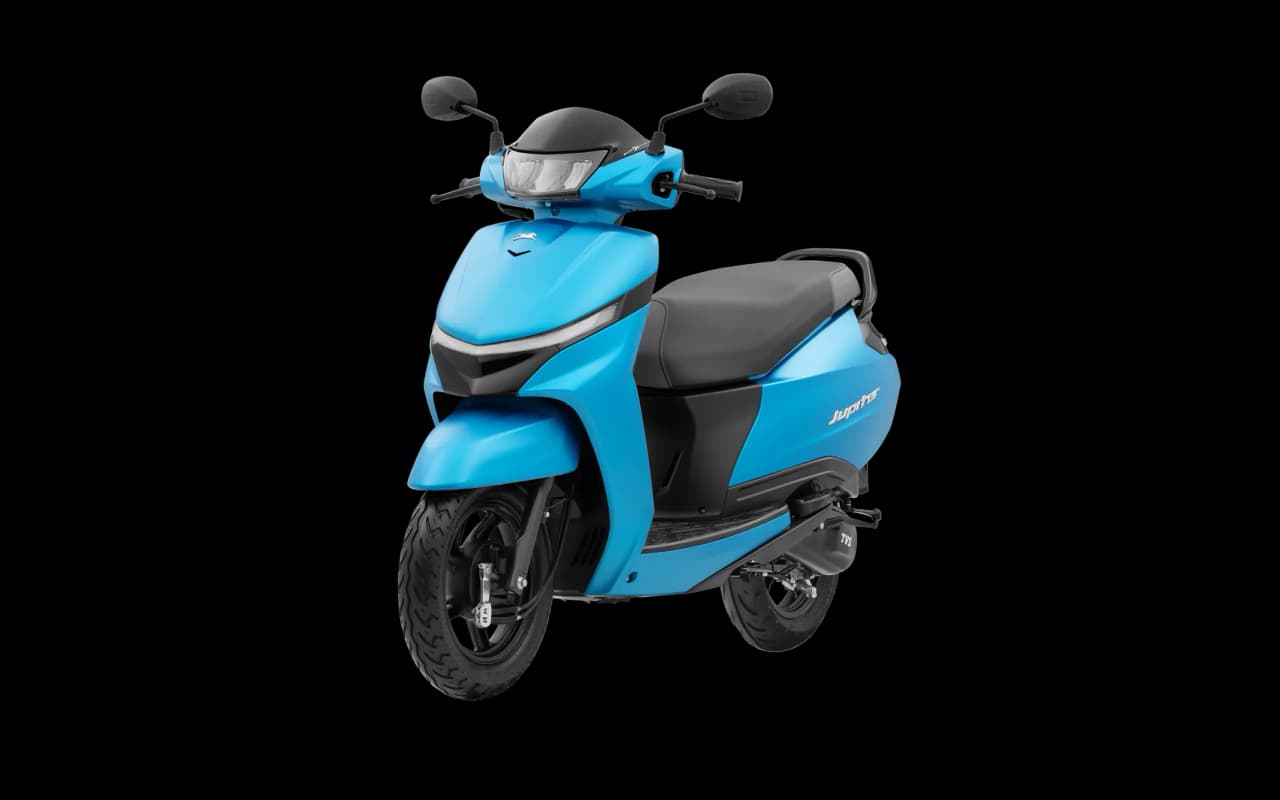
The most immediate difference between these two is what they are made of. TVS Jupiter uses what the maker calls a Metal Maxx Body. This use of metal for the apron and side panels is a significant factor for Nepali buyers who worry about the durability of plastics in tight parking spaces or minor scrapes in heavy traffic. The 2025 styling includes an Infinity Light Bar and LED headlamps that give it a modern, sophisticated look that appeals to adult riders and families.
Honda Dio takes a different path with its fiber-body construction. This makes the scooter lighter, weighing in at a kerb weight of 103 kg. The design is unapologetically sporty, with sharp lines and a signature LED position lamp that has made it a favorite among the younger demographic in cities like Lalitpur and Bhaktapur. While it lacks the metal sturdiness of the Jupiter, the plastic panels are high quality and contribute to the scooter's nimble handling.
Features and Digital Integration
When it comes to features, TVS Jupiter sets a high bar for the 110cc category. The Standard variant comes with a fully digital colored cluster that supports Bluetooth connectivity. This allows for navigation assist, voice assist, and call or text notifications directly on the screen. It also provides useful data like average fuel economy and distance-to-empty, which is helpful for planning trips around the valley. Safety tech is also a highlight, including an emergency brake warning and turn indicators that cut off automatically.
Honda Dio focuses more on mechanical convenience rather than infotainment. The STD variant uses an analog instrument cluster, which is simpler but very easy to read in direct sunlight. However, it incorporates H-Smart technology, which brings a smart key system to the 110cc segment. This includes features like Smart Find to locate the scooter in a crowded parking lot and Smart Unlock. The silent start with an ACG starter is a standout feature, allowing the engine to turn over without the traditional cranking sound.

Engine Performance and Drivetrain
The powerplants under these scooters show subtle but important differences for Nepali roads. TVS Jupiter is powered by a 113.3 cc engine that produces 8 PS of power and 9.8 Nm of torque. That extra bit of torque is noticeable when climbing the steep inclines of Ghalate or Swayambhu with a pillion. It also uses iGO Assist technology, which provides a small boost during acceleration and helps in stop-go traffic.
Honda Dio utilizes a slightly smaller 109.51 cc engine. It produces 7.9 PS and 9.03 Nm of torque. While the numbers are lower than the Jupiter, the Dio is lighter, which helps it maintain a punchy feel. The PGM-FI system is extremely refined, providing a smooth throttle response that Honda is known for. It is particularly efficient in the constant shifting of traffic found in Kathmandu.
Practicality and Daily Utility
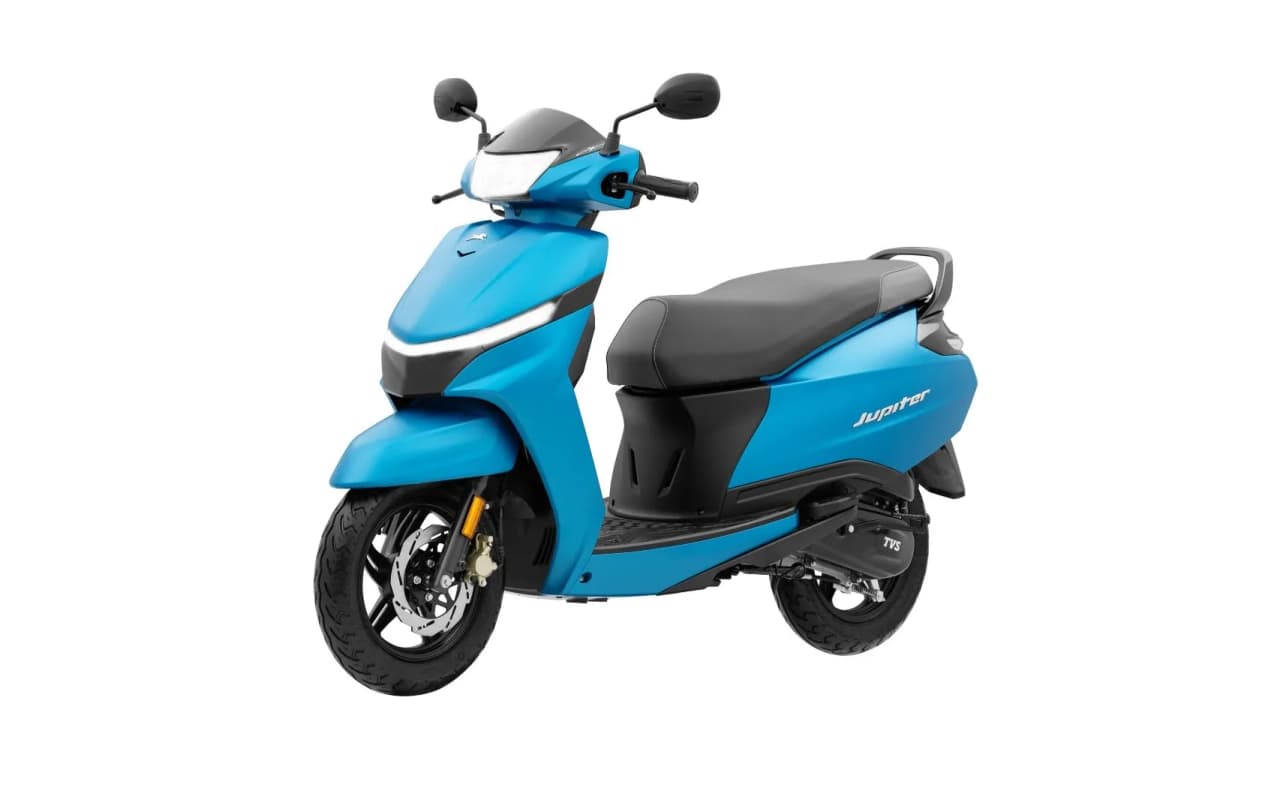
Practicality is where the TVS Jupiter creates a massive gap. It offers a class-leading 33-litre underseat storage area. This space is designed to hold two helmets, which is a significant advantage for those who frequently carry passengers. It also features a front-mounted fuel filling system, so you never have to get off the scooter at the petrol pump. The floorboard is spacious, providing ample legroom and a glove box for small items.
Honda Dio offers 18 litres of underseat storage. This is enough for a single half-face helmet or some groceries but falls short of the Jupiter's capacity. It does, however, feature an external fuel lid, which is a major upgrade over older models where the seat had to be lifted. The front pocket on the Dio is open and convenient for quick access to a phone or a bottle of water.
Ride, Handling, and Ground Clearance
Nepali roads demand good ground clearance and suspension. TVS Jupiter offers 163 mm of ground clearance. It uses 12-inch wheels at both the front and the rear, which provides a very stable and composed ride over potholes. The rear suspension is a 3-step adjustable twin-tube emulsion type, allowing riders to stiffen or soften the ride based on the load. It also comes with a front disc brake as standard, providing superior stopping power.
Honda Dio has a slightly lower ground clearance of 160 mm. This can occasionally be an issue on larger speed breakers or unpaved sections in developing neighborhoods. It uses a 12-inch front wheel but stays with a 10-inch rear wheel. This setup makes the Dio very quick to turn and filter through traffic, though it can feel slightly less planted than the Jupiter on high-speed stretches. The Dio STD uses drum brakes on both ends, supported by Honda’s Combi Brake System (CBS).
After-Sales and Resale Value

Service support is a critical factor for long-term ownership. TVS has built an extensive network with service centers in Kathmandu, Pokhara, Ghorahi, Bharatpur, and Nepalgunj. They offer a 5-year or 50,000 km warranty, which provides peace of mind for new buyers. Our data indicates a 3-year resale value estimate for a Jupiter in good condition at roughly Rs 1.3 lakh to Rs 1.59 lakh.
Honda maintains one of the largest service footprints in Nepal, with centers in Janakpur, Bhairahawa, Birgunj, and Birtamode. The standard warranty is 2 years or 32,000 km, though extended options are available. Honda scooters traditionally hold their value exceptionally well in the Nepali used market. A 3-year-old Dio can typically command between Rs 1.58 lakh and Rs 1.93 lakh, making it a very safe investment for those who plan to upgrade in a few years.
Verdict
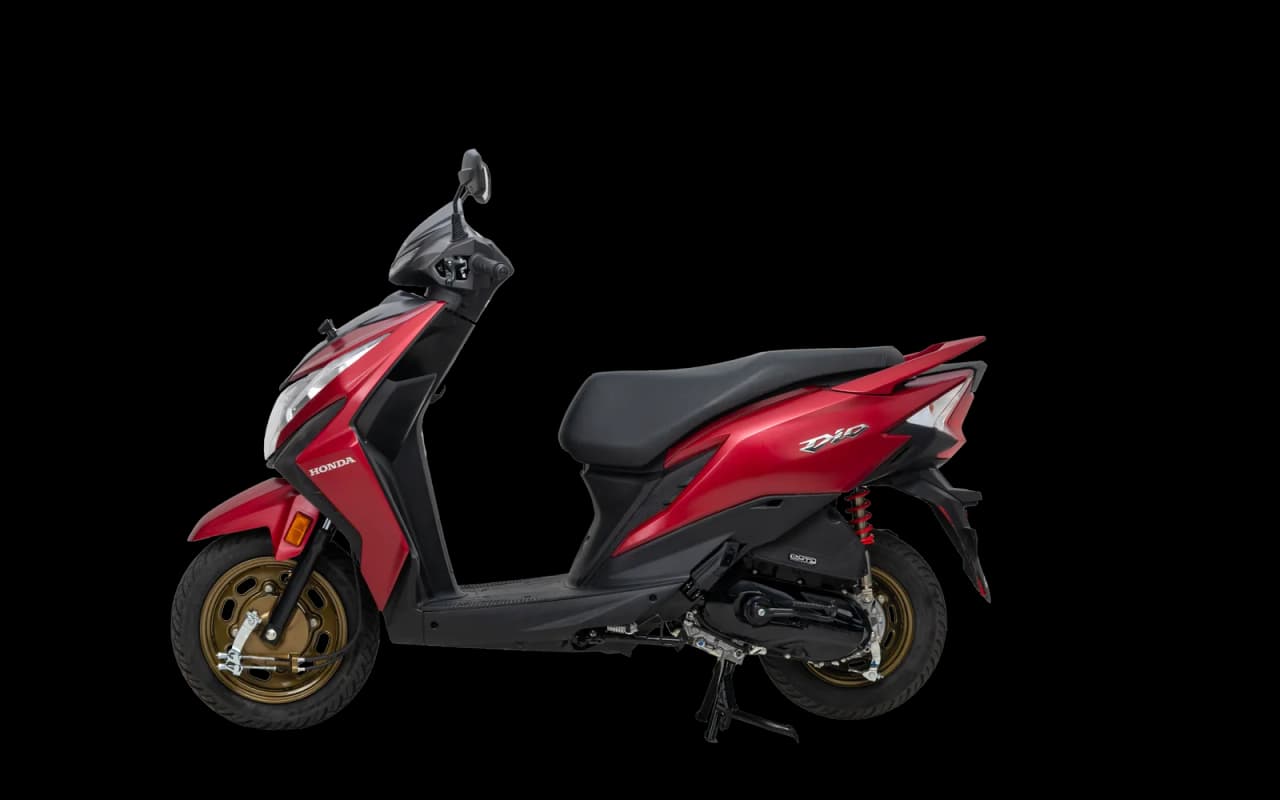
The choice between these two depends on what you value most for your daily ride. The TVS Jupiter is the superior choice for those who prioritize technology, safety, and massive storage capacity. Its front disc brake, digital navigation, and huge 33-litre boot make it a highly practical tool for families and serious commuters.
The Honda Dio remains the better option for riders who want a lightweight, sporty scooter with the best possible engine refinement. Its higher resale value and the convenience of the H-Smart key system make it a compelling package, especially for younger buyers who prioritize style and brand trust over raw storage space. While the Dio lacks the tech features and metal body of the Jupiter, its ease of maintenance and proven reliability across all districts of Nepal keep it at the top of many shopping lists.
Explore full specifications, variants & ownership context
Compare the exact variants
Specifications, features & ownership context
Choose a variant for each vehicle. The facts below follow that exact trim; the article explains the trade-offs.
Latest catalog and directory records supplement the original analysis. Figures may have changed since publication; individual specification and price-check dates appear below.
TVS Jupiter
Rs 2.65 lakh ex-showroom · source checked 12 Oct 2026
Honda Dio
Rs 2.7 lakh ex-showroom · source checked 30 Sept 2026
Engine & performance
| Specification / feature | TVS Jupiter | Honda Dio |
|---|---|---|
| Engine displacement | 113.3 ccVerified specification · 26 Aug 2026 | 109.51 ccVerified specification · 31 Jul 2026 |
| Max power | 8 PSVerified specification · 26 Aug 2026 | 7.9 PSVerified specification · 31 Jul 2026 |
Brakes, tyres & suspension
| Specification / feature | TVS Jupiter | Honda Dio |
|---|---|---|
| ABS | ABSResearched · confirm · 27 Sept 2026 | CBSResearched · confirm · 17 Sept 2026 |
Dimensions & weight
| Specification / feature | TVS Jupiter | Honda Dio |
|---|---|---|
| Ground clearance | 163 mmVerified specification · 26 Aug 2026 | 160 mmVerified specification · 31 Jul 2026 |
TVS Jupiter
Showroom & service support
Distributor: Jagdamba Motors Pvt. Ltd. (TVS Nepal)
300 listed brand showrooms · 53 listed brand service locations
Listed cities include Attariya, Baglung, Balkumari, BALKUMARI, Banepa, Bansgadhi and 110 more.
Brand-wide directory coverage. Confirm that your nearest workshop supports this exact model, powertrain and warranty work; ask about parts availability and booking time.
Market buzz & buyer priorities
Compiled discussion, including buyer reactions and ownership reports; this is not a verified owner survey or a reliability score. Research dated 31 Aug 2026.
What people like
- Comfortable seat and suspension for city commuting and short highway rides in Nepal
- Refined 110–113cc engine with good pickup for daily Kathmandu and Pokhara traffic
- Mileage reported around 35–40 kmpl in real Nepali use, considered acceptable for a petrol scooter
More feedback
- Features like iGO start-stop, external fuel filler and digital console are appreciated at this price in Nepal
- TVS brand trust and wide dealer presence in major Nepali cities are seen as positives for service and spares
Concerns to investigate
- Limited color/variant choice for the new Jupiter 110 in Nepal compared to India-focused line-up
- Some concern that mileage is lower than smaller 100–110cc scooters when ridden in heavy Kathmandu traffic
- Concerns about service centres: delays, parts availability, poor after-sales
More feedback
- Ground clearance feels limiting on rough or rural roads
What buyers ask for
- Ex-showroom and on-road price in Nepal, including EMI and down-payment options
- Real-world mileage on Nepali petrol and in stop-go Kathmandu traffic
- Ground clearance, suspension comfort and stability on speed breakers and broken urban roads
Nepal ownership context
- TVS Jupiter is officially sold in Nepal through Jagdamba Motors and authorized TVS dealers in Kathmandu, Lalitpur, Bhaktapur, Pokhara, Chitwan and other key cities
- On-road price in Nepal increases with registration, insurance and accessories, with EMI schemes commonly advertised by dealers and finance partners
- Ground clearance and suspension are generally considered adequate for typical city roads and light rural use, though not ideal for very rough off-road trails
More feedback
- Resale value is helped by TVS’s established scooter portfolio in Nepal and Jupiter’s long-running presence, but exact resale prices vary by condition and city
- Many Nepali users compare resale value unfavorably vs Honda / Suzuki due to perceived reliability and brand trust issues
- Parts are reportedly harder to get in Nepal, service costs seen as high or dealers being inflexible on warranty work
Honda Dio
Showroom & service support
Distributor: Syakar Trading Company Pvt. Ltd.
172 listed brand showrooms · 141 listed brand service locations
Listed cities include Attariya, Baglung, Banepa, Barahathawa, Bardaghat, Bardibas and 78 more.
Brand-wide directory coverage. Confirm that your nearest workshop supports this exact model, powertrain and warranty work; ask about parts availability and booking time.
Market buzz & buyer priorities
Compiled discussion, including buyer reactions and ownership reports; this is not a verified owner survey or a reliability score. Research dated 27 Sept 2026.
Concerns to investigate
- Low ground clearance causes issues on uneven Nepali roads and speed breakers
What buyers ask for
- Fuel economy in heavy city traffic
Nepal ownership context
- The scooter is highly favored by students and office goers in Kathmandu for its fuel efficiency
- Maintenance is affordable with spare parts being widely available across most districts in Nepal
- While the 125cc engine handles hills better than the 110cc, the ground clearance remains a limiting factor for rural use
More feedback
- Pricing in Nepal places it in direct competition with the TVS Ntorq 125 and Yamaha RayZR
- Nepali owners generally view resale value, service familiarity and spare-parts availability as stronger than those of less-established scooter brands.
- The scooter is considered suitable for Kathmandu Valley traffic and routine Nepal roads, but suspension feel, tyre condition and headlight performance matter on rough roads, highways and night rides.
- Owner reports suggest that mileage varies with traffic, terrain, riding style, tyre pressure, fuel quality and servicing rather than remaining identical for every rider.
Use these facts alongside the article’s full analysis. Check the final quotation, warranty terms and exact equipment before booking.
Evidence & next steps
Check the details before you buy
Use this guide to build a shortlist. Ask for a written quotation for your chosen variant, including registration, taxes, insurance and finance charges. Confirm the nearest authorised workshop supports that model.
Price sources and dates
These are the recorded distributor-source checks for the selected overview trims. They are separate from the article update and catalog read dates; they do not mean every trim was rechecked today. Confirm the final price with the distributor.
Overview photos come from the corresponding model records; additional article photos carry their own credits. Running costs depend on usage, energy prices, maintenance, insurance and resale value.