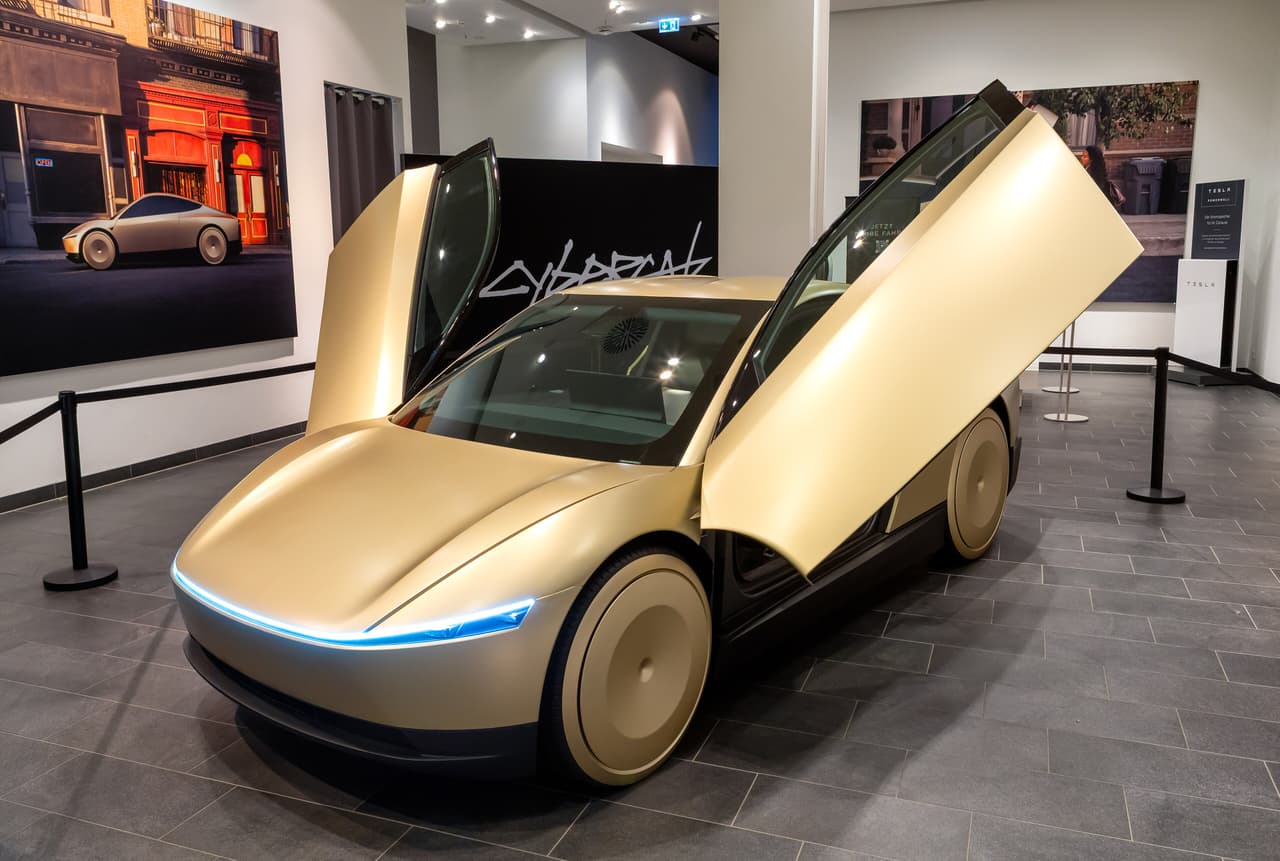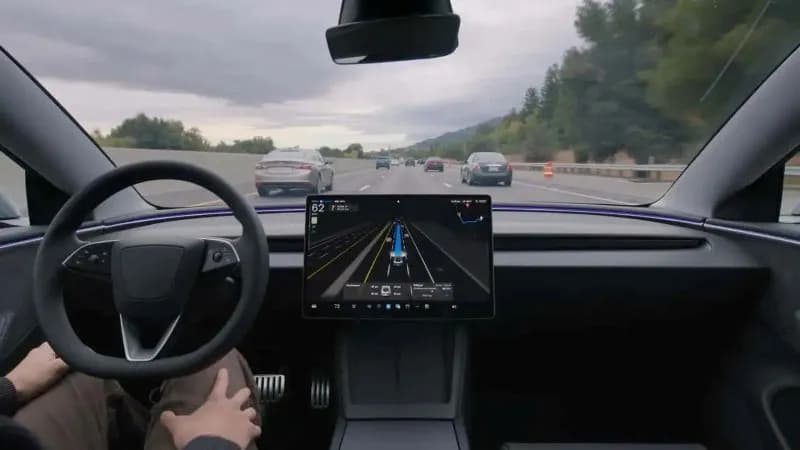
Tesla is currently addressing technical limitations that restrict its Robotaxi fleet from operating effectively after dark. The company is working to improve how its autonomous system detects objects in low-light conditions.
Elon Musk noted that identifying animals on dark roads remains a primary challenge. He cited the difficulty of detecting objects like kittens on grey tarmac, where low-contrast conditions hinder camera-based systems. These systems rely on available light and visual contrast to function.
Operations in Austin, Texas, were recently extended by one hour, with the service now running until 11 PM. Unlike competitors such as Waymo, which use a combination of cameras, lidar, and radar to operate around the clock, Tesla relies exclusively on a camera-based approach. The company removed radar from most vehicles in 2021 and ultrasonic sensors in 2022, and it does not use lidar in production models.

Tesla does not currently have an official presence or product lineup in the Nepal market. The company's autonomous driving technology is not available for purchase or use in the country.
Writes on vehicle pricing, taxation and the Nepali auto market from ongoing tracking of distributor price lists. Editorial policy.