Auto leader sees path to true Made in Nepal vehicles
Entrepreneur and NAIMA founder Saurabh Jyoti says Nepal’s rapidly expanding automobile assembly industry can move from “Make in Nepal” to full “Made in Nepal” status within the next 5 to 10 years if local parts production and supply chains are strengthened.
Speaking at the NAIMA Mobility Expo 2026, he stressed that assembly plants are only the first step in industrialisation and that Nepal now needs to increase domestic material content by manufacturing key components inside the country. Jyoti highlighted the importance of bridging the gap between academia and the private sector to ensure that the workforce is equipped with the necessary skills.
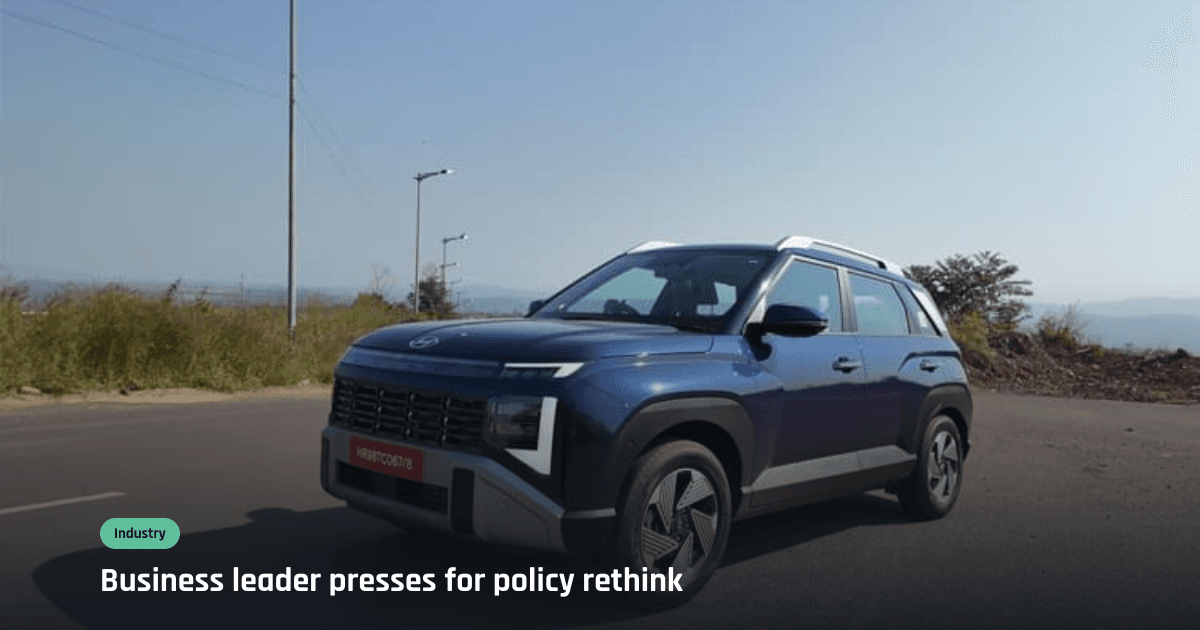
Today, Hyundai in four-wheelers and many major motorcycle and scooter brands in two-wheelers are already being assembled in Nepal, but most parts are still imported. Jyoti called for a clear timeline, stable long-term industrial policy, and stronger protection for investors to push local parts manufacturing. He emphasized that the growth of the automobile industry is supporting employment and technical skill development, with many assembly plants now having limited dependence on foreign workers.
He noted that the automobile sector contributes around 7% of Nepal’s GDP and generates about Rs 89 billion in government revenue each year. He added that private businesses, which provide 86% of total jobs and 82% of GDP, need proper recognition and investment security for the economy to leap ahead.
On clean energy, Jyoti welcomed the government’s support for electric vehicles and the move to blend ethanol into petrol, arguing that higher ethanol use would tap local resources and help reduce Nepal’s fuel import bill. Greater use of ethanol could also increase the use of locally available resources and reduce the amount of money spent on petroleum imports.
For Nepali buyers, his message is clear: if policy stays stable and industry invests in local parts, future cars and bikes sold here could increasingly be truly “Made in Nepal”, not just assembled.
Jyoti also pointed out a mismatch in Nepal's labor market, where industries sometimes need to bring skilled workers from abroad, while many Nepali skilled workers are leaving the country. He attributed this gap partly to weak coordination between educational institutions and the private sector, advocating for updated educational curricula to meet industry needs.
Current prices on Nepal AutoMart
[Insert current pricing information here]
Writes on vehicle pricing, taxation and the Nepali auto market from ongoing tracking of distributor price lists. Editorial policy.