Passenger registrations set to return, but with filters
The government has reopened registration of passenger public vehicles after keeping new entries on hold since May 21, 2026. The Department of Transport Management (DoTM) has announced that registration will resume from September 17, under specific conditions.
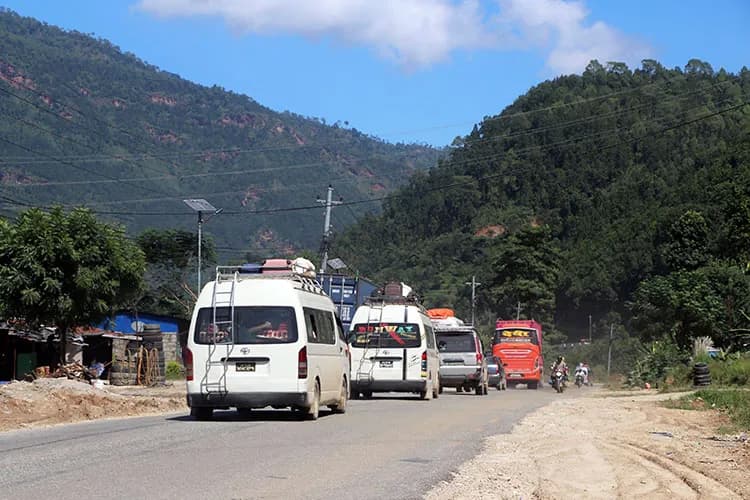
The DoTM issued a circular late Tuesday night to the transport ministries of all seven provinces and to all local levels, informing them of the reopening. Registration is now allowed for public passenger vehicles outside the Kathmandu Valley, including both electric and diesel vehicles, though priority will be given to electric vehicles. Inside the Valley, the registration remains limited to school buses and vehicles registered as replacements for existing ones.
What kinds of vehicles may be allowed
Officials are discussing conditions so that only certain categories can get registered at first. Options on the table include:
- long‑distance buses
- electric public vehicles
- vehicles operating outside Kathmandu Valley
- allowing all public vehicles except taxis
Bhusal has made it clear that registration will not reopen for every public vehicle type under the old system. Some segments will remain blocked until a wider policy is finalised.
Electric focus from the ministry
Infrastructure Minister Sunil Lamsal has publicly said the government wants future public transport to be electric. Based on that plan, ministry sources expect the first approvals to go to electric passenger vehicles with more than 14 seats.
A final rule on seat count and eligible body types has not been announced, so operators should treat this as early policy signalling.
Why the freeze matters for buyers and operators
Public transport operators have been pushing for registrations to restart since the May 21 suspension, which was introduced to support more scientific management of public transport and protect public interest. Deliveries are expected to start by Dashain.
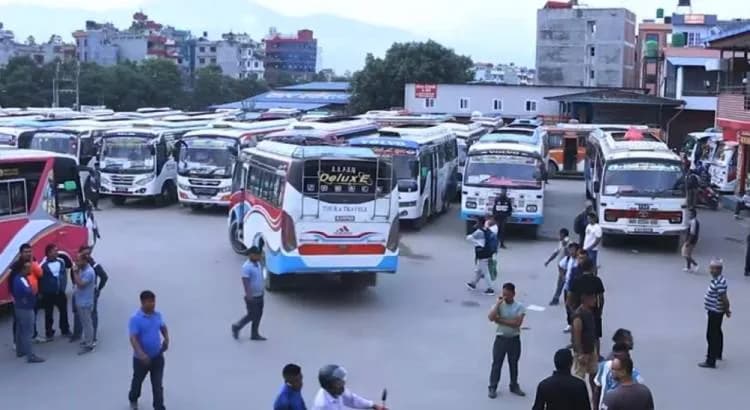
Operators warn that if the freeze continues into the Dashain travel rush, inter‑district passengers could face a shortage of buses, especially on busy long routes.
For buyers and fleet owners, the likely outcome is that new diesel city buses and taxis remain hard to register in the near term, while long‑route and electric public vehicles get priority.
If the conditional restart goes through, it will mark an important shift in how new public vehicles enter Nepal's roads, with electric fleets slowly gaining an edge over traditional options.
Writes on vehicle pricing, taxation and the Nepali auto market from ongoing tracking of distributor price lists. Editorial policy.