China's state-owned FAW Group is reported to be exploring a stake in GAC Group, with the two sides said to be working on a joint venture structure.
On 14 September 2026, GAC halted trading of its shares in both Hong Kong and Shanghai while it prepared an announcement labelled as inside information. Its Hong Kong stock had already jumped 8.6% intraday before the suspension.
Analysts see the potential FAW–GAC deal as part of a wider push to consolidate China's crowded car industry, where older state-owned manufacturers are under pressure from faster-moving electric vehicle brands. China's carmakers face excess factory capacity and a long-running price war, and weaker groups are expected to seek partners or mergers.
GAC's finances show that strain. The company posted a net loss of $670 million in the first half of 2026, a loss that was 76% higher than a year earlier. Both FAW and GAC work closely with Toyota in China, yet GAC‑Toyota sales fell 6.3% in the same period and FAW‑Toyota volumes dropped 27.4%.
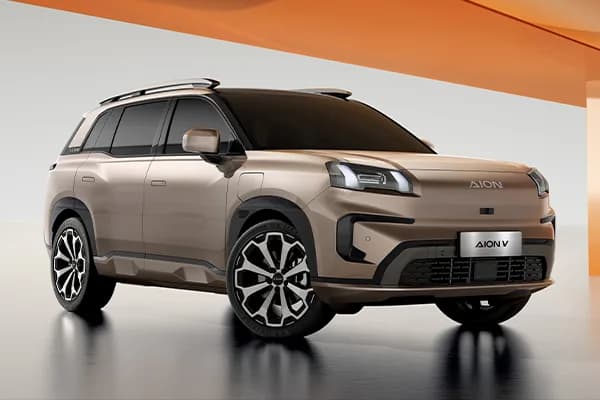
For Nepali buyers, the story matters because FAW's Hongqi brand is already on sale here through Advance Automobiles, and GAC's Aion EVs are sold by CG Motors. Any future restructuring between FAW and GAC could change how these brands share technology, plan new EVs or respond to price competition.
Nepal pricing, features and availability for Hongqi and Aion models remain unchanged so far, but this emerging tie‑up suggests buyers should watch these two Chinese partners closely over the next few years.
Writes on vehicle pricing, taxation and the Nepali auto market from ongoing tracking of distributor price lists. Editorial policy.