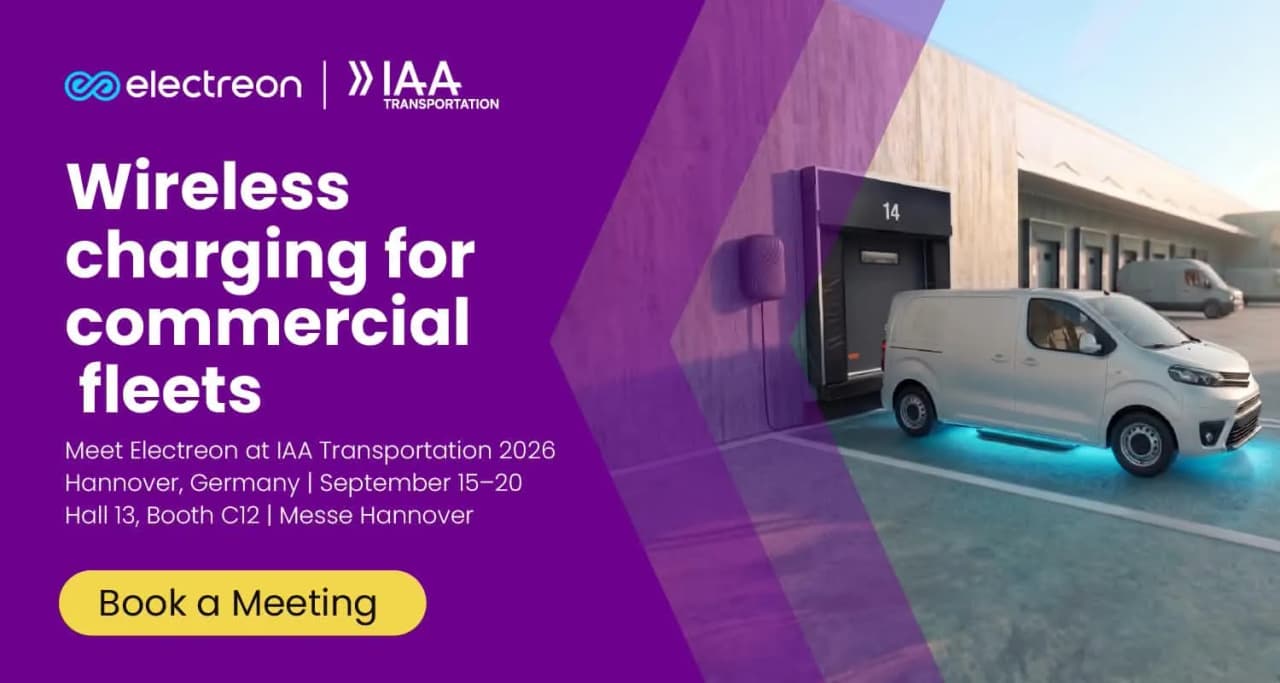
Israeli company Electreon Wireless has shown Lite DOT, a new stationary wireless charging system for electric passenger cars and light commercial vehicles, at IAA Transportation 2026 in Hannover. Lite DOT is aimed at private parking spaces and small fleet depots, not highways or public roads.
How Lite DOT works
Lite DOT turns a marked parking bay into a charging spot. The system has:
- an above-ground charging pad fitted on the parking surface
- a wall- or pole-mounted control unit connected to a three-phase power supply
- a receiver coil installed under the vehicle, specific to each compatible model
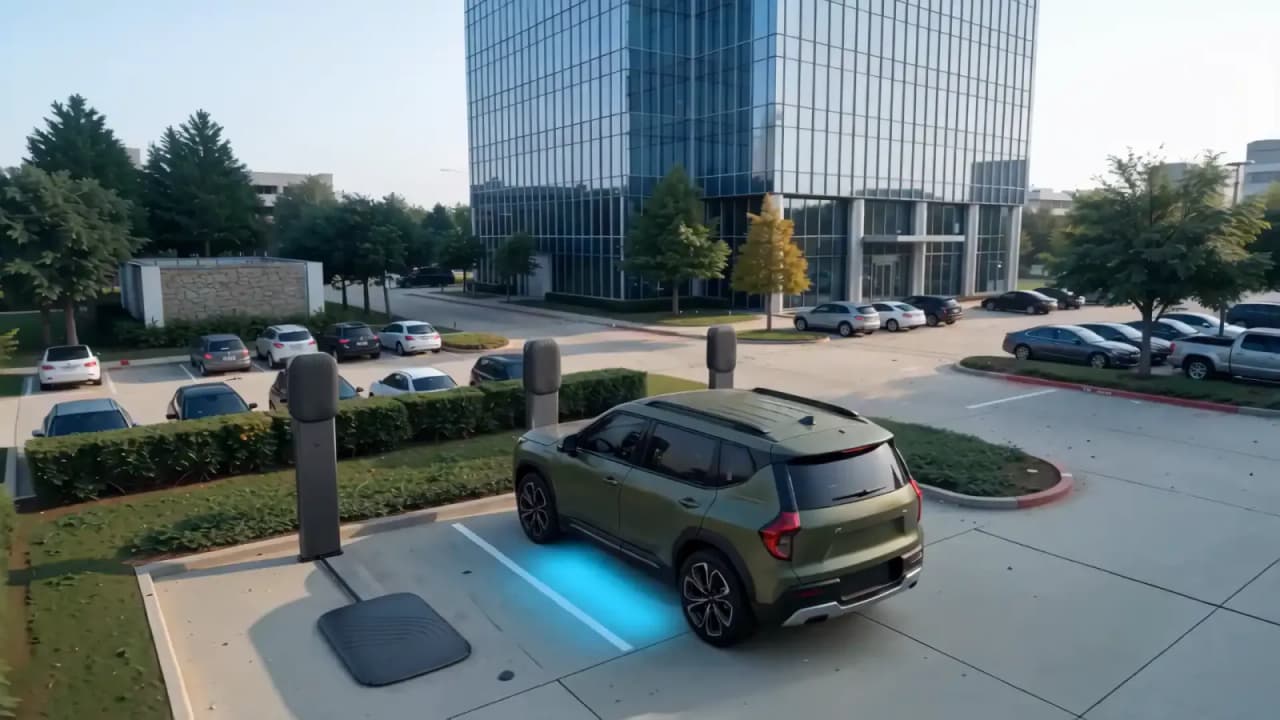
When a compatible EV is parked over the pad, the system identifies the vehicle and starts charging automatically. Drivers do not need to plug in or unplug any cable.
Key specs and performance
Electreon says Lite DOT can deliver up to 11 kW of wireless charging power, similar to many home AC chargers. Energy is transferred using magnetic induction, sending power from the pad to the receiver coil and then to the vehicle battery.
The hardware is designed to work outdoors and indoors between -30°C and +50°C, and in rain or snow. Electreon also offers the Electreon Flow mobile app to monitor and manage charging sessions.
Efficiency and earlier trials
Electreon's wireless technology is already in use at a bus station in Rosh HaAyin, Israel, where testing reportedly achieved 89.3% energy efficiency and 99% system uptime over the trial period. Lite DOT draws on that proven technology but is packaged for cars and light commercial vehicles in regular parking areas.
What it could mean for Nepali EV owners
For Nepal, solutions like Lite DOT could make home and office EV charging as simple as parking the car. This would be most useful for:
- houses and apartments with fixed parking bays
- office basements and private car parks
- small commercial fleets that return to the same depot daily
There is no announcement yet about Lite DOT coming to Nepal, and pricing or commercial launch timelines have not been disclosed. But for Nepali buyers watching global EV trends, cable-free parking-space charging is a clear sign of where everyday charging convenience is headed.
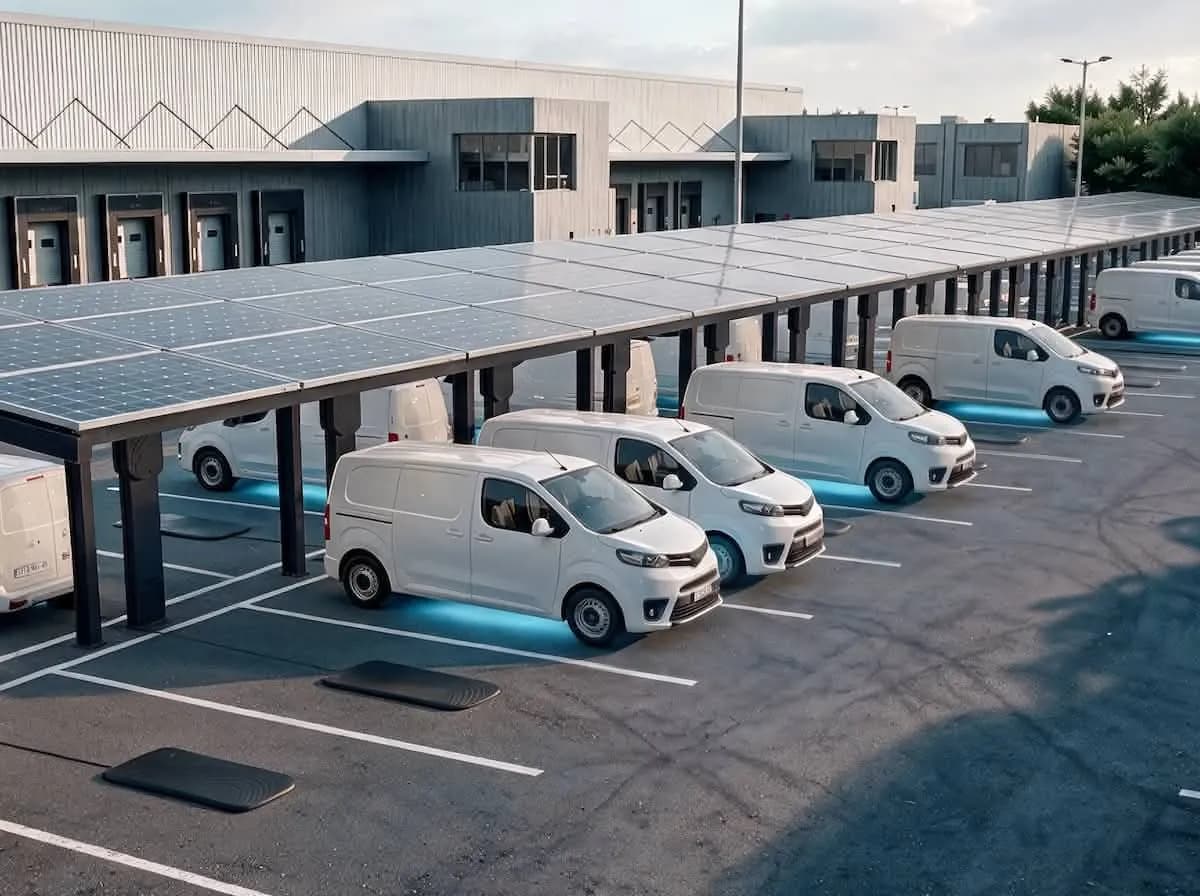
Verdict: Lite DOT shows how future EVs could charge in Nepal just by parking, but local availability and cost remain open questions.
Writes on vehicle pricing, taxation and the Nepali auto market from ongoing tracking of distributor price lists. Editorial policy.