Start with the numbers
The model, at a glance
Top available variants, with prices in Nepalese rupees. Expand details to choose another variant.
| Vehicle | Ex-showroom price | Fuel | Selected variant |
|---|---|---|---|
| 01Changan Hunter | Upcoming | Diesel | 2WD |
Ex-showroom prices exclude registration, road tax and insurance. Specifications can vary by trim. See individual source-check dates ↓
Where the Changan Hunter sits in the Nepali market
The Changan Hunter arrives as a lifestyle pickup rather than a stripped workhorse, and that matters in Nepal because buyers at this price level increasingly want one vehicle that can do family duty during the week and rough-road or load-carrying work when needed. With an ex-showroom range of Rs 66 lakh to Rs 87 lakh, it lands in a space where established pickups have long enjoyed a reputation advantage, but where many buyers are now more open to newer brands if the specification and price make sense.
What makes the Hunter interesting is not just that it is a pickup, but that it is positioned as a more modern, more comfort-oriented alternative to the traditional formula. The Nepal lineup is simple: a 2WD manual at Rs 66,00,000 and a 4WD automatic at Rs 87,00,000. For a double-cab buyer, that is a useful split because it clearly separates the value-focused variant from the more capable, more premium one.
MAW Vriddhi Autocorp is the authorized distributor, with 10 showrooms and 1 service center listed in Nepal. That footprint is not enough to remove every concern around after-sales depth, but it does show that the Hunter is being backed with a formal retail and service structure rather than treated as a niche import.
Looks, design and build
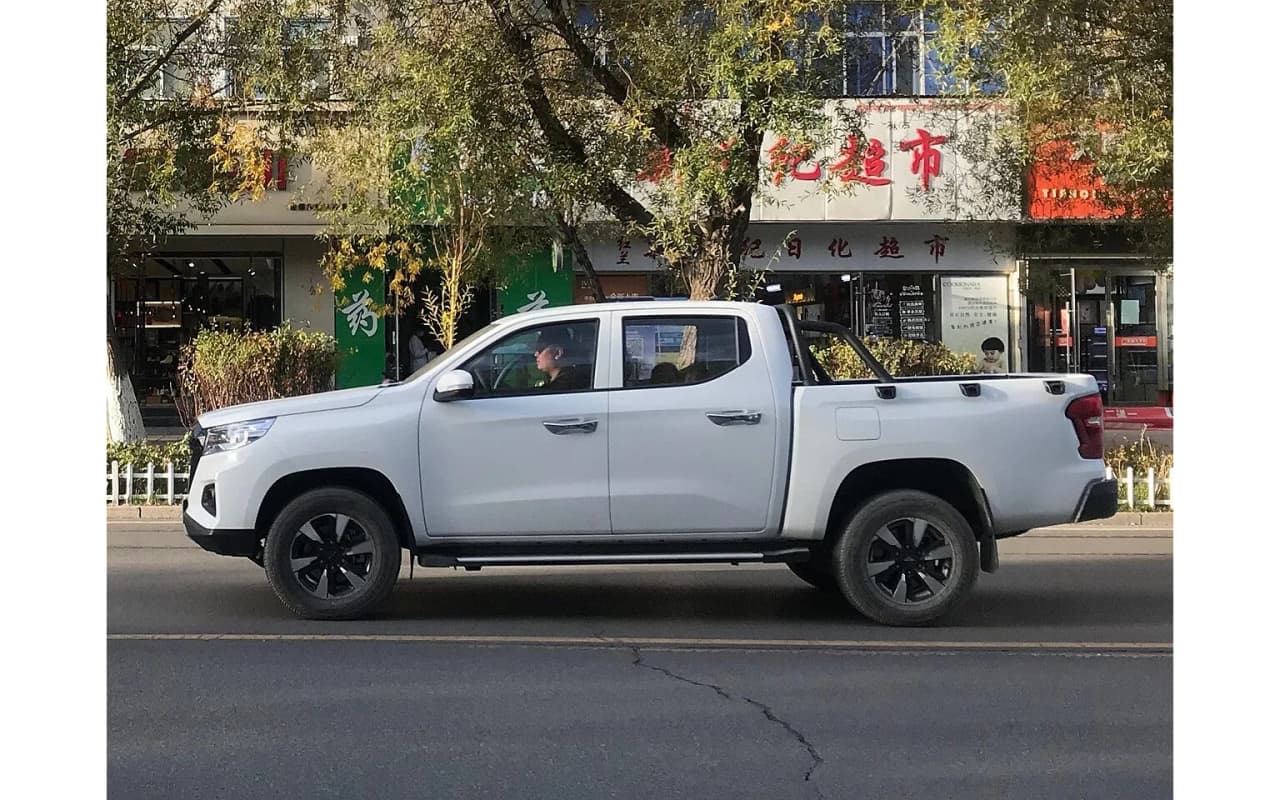
Visually, the Hunter plays the part well. It has the large footprint and upright proportions expected of a modern double-cab, and at 5,330 mm long and 1,930 mm wide, it is genuinely substantial rather than merely pickup-shaped. That size gives it the road presence many Nepali buyers want, especially those who see a pickup as both a practical tool and a visible status statement.
The design language is best described as premium and lifestyle-oriented. It does not try to look utilitarian and bare. Instead, it leans toward a more contemporary urban-adventure image, which should appeal to buyers who want a pickup that can park outside a house in the city without looking purely commercial.
The 4WD version adds the more serious stance that many buyers expect from a premium pickup, while the 2WD version is the cleaner entry point for those who want the look and cabin format without paying for off-road hardware they may never use. One limitation is that key structure figures such as height, kerb weight, wheelbase, and ground clearance are not officially disclosed in the current Nepal dataset, which makes it harder to judge the hardware in the same detail as some more established rivals.
Features and equipment
This is the area where the Hunter is still somewhat opaque in Nepal. The broad positioning is clear: the 2WD is the more accessible, work-leisure variant, while the 4WD is the more fully loaded, higher-spec choice. But several important equipment items are not officially disclosed, including the infotainment screen size, wireless phone connectivity, auto-hold, parking brake type, airbag count, and ADAS content.
That lack of public detail is worth noting because buyers at this price level increasingly expect clarity. It is not enough for a vehicle to be called premium; the spec sheet needs to show it. On paper, the Hunter’s appeal comes from its lifestyle-pickup format, double-cab seating, and the promise of modern diesel power rather than from a long list of confirmed convenience features.
The standout confirmed detail is the 8-year manufacturer’s warranty attached to the single-variant warranty note in the dataset, which is a meaningful confidence signal for buyers who worry about a newer badge’s long-term durability. Still, warranty length only goes so far if the feature list remains vague.
Engine, drivetrain and performance
Both Nepal variants use the same core mechanical package: a 1.9L turbo-diesel, 4-cylinder engine producing 150 hp and 350 Nm. That is a sensible output figure for a double-cab pickup, and it suggests the Hunter is aimed at the practical middle ground rather than at outright performance.
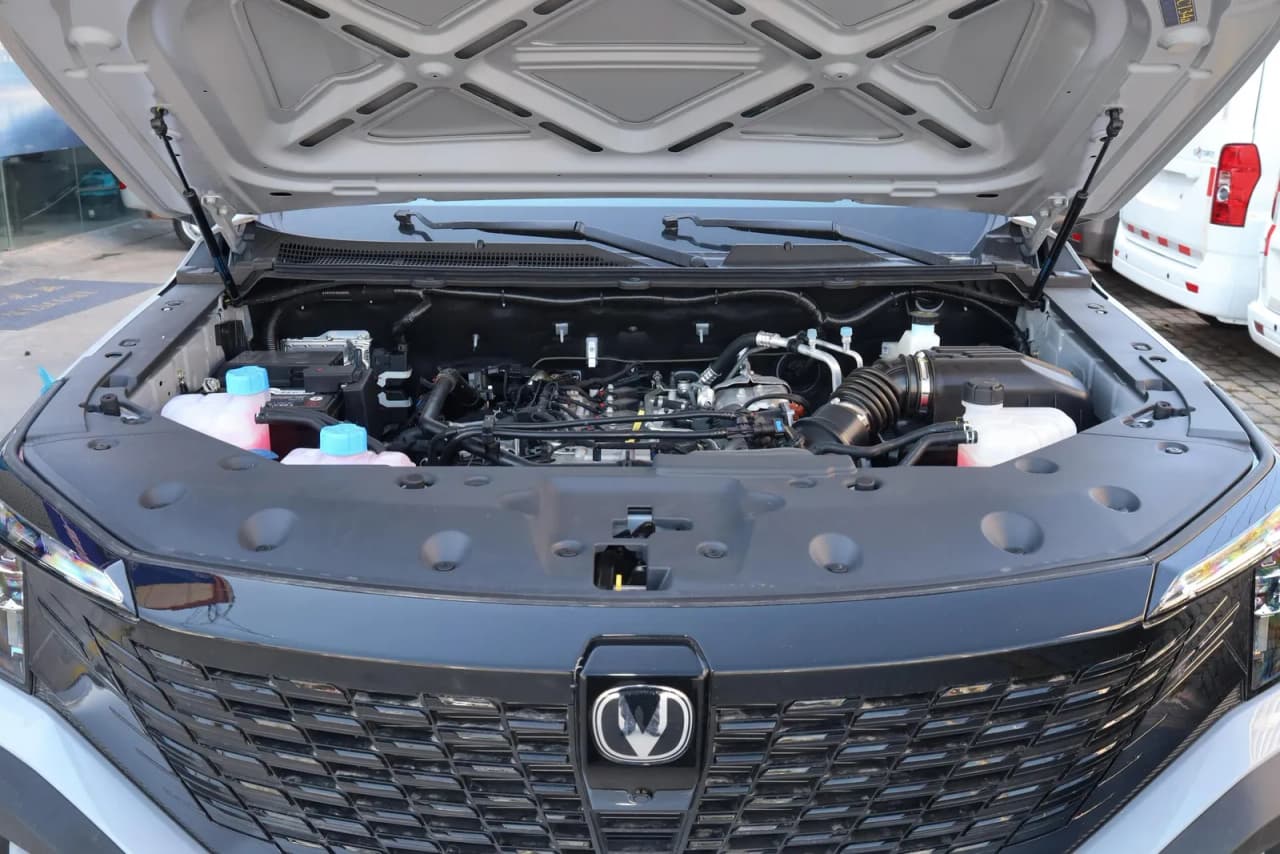
The 2WD gets a 6-speed manual transmission and a rear-wheel or two-wheel-drive layout, which should make it the cheaper-to-run, easier-to-service option for buyers who spend most of their time on highways, urban roads, and moderate hill usage rather than serious terrain.
The 4WD upgrades to a 6-speed automatic transmission and a proper 4x4-capable drivetrain. That makes it the more attractive choice for mixed-use buyers, especially those who want everyday convenience with the confidence to handle rough roads, muddy access routes, or occasional off-road work. In practical terms, the automatic gearbox is a major part of the value proposition here because many pickup buyers still associate this segment with manual-only compromises.
Without officially published figures for fuel economy, acceleration, towing limits, or payload, it is better to judge the Hunter as a well-sized, torque-led diesel pickup than as a numbers game winner. The basic mechanical specification is strong enough to support the positioning, and the automatic 4WD version is clearly the more versatile of the two.
Ride, handling and comfort
On paper, the Hunter’s dimensions suggest the usual pickup trade-off: a commanding driving position and strong road presence, but also the size penalty that comes with a 5.3-metre body. The wheelbase figure is not officially disclosed, so a precise ride assessment is not possible from the current dataset, but the overall format points to a vehicle that should be comfortable enough for cruising while still feeling like a proper utility vehicle.
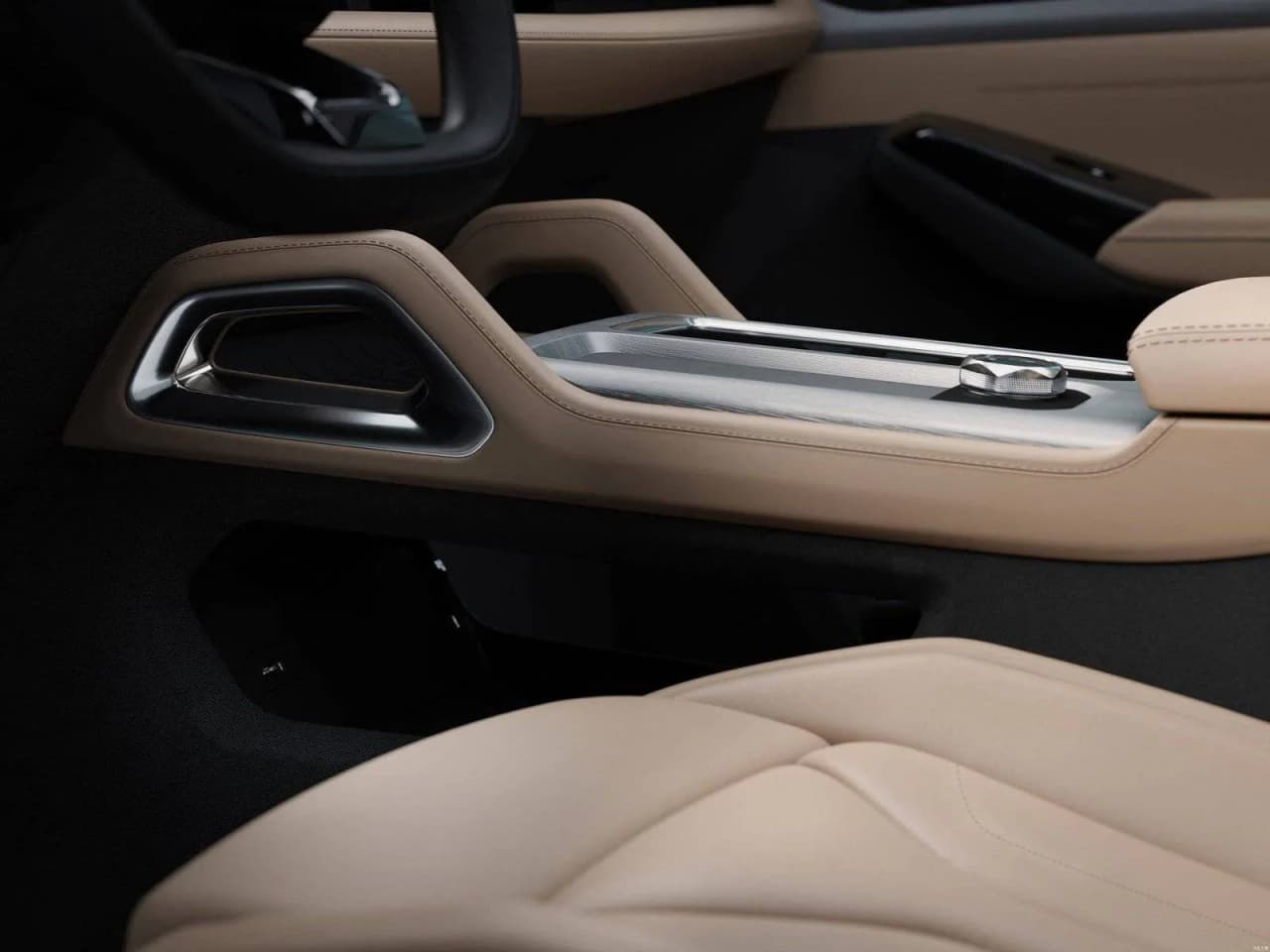
The cabin is a double-cab, likely with five-seat accommodation. That makes the Hunter more family-friendly than single-cab work trucks and more usable as an everyday vehicle. For Nepalese buyers, this matters because many pickups are sold not as fleet tools but as one-car solutions for households that want space, toughness, and versatility in the same package.
The 4WD automatic should be the more relaxed choice in mixed driving, especially if the buyer regularly faces traffic, tight parking, and uneven roads. The 2WD manual, by contrast, suits buyers who are comfortable with a more involved driving experience and want to keep the purchase price down.
Practicality and running costs
Practicality is the Hunter’s strongest argument after price. A double-cab bed gives it genuine load utility, while the cabin layout keeps it usable for family transport. This is the sort of vehicle that makes sense for buyers who need one machine to cover school runs, business errands, mountain trips, and occasional cargo duty.
Running-cost clarity is incomplete, however. Fuel efficiency is not officially published, and several ownership-cost factors remain undeclared. That means the Hunter has to be judged partly on inference: a 1.9L diesel should be reasonable for this class, but buyers should still expect pickup-class fuel bills and maintenance, not SUV-like frugality.
The limited service network, with 1 service center listed in Nepal, is another important consideration. For a vehicle intended to be used hard and across different terrain, after-sales reach matters. The presence of 10 showrooms helps with sales access, but service coverage is what will ultimately shape owner confidence outside the main urban corridor.
Price, variants and which one to pick
The Nepal lineup is refreshingly straightforward:
- 2WD — Rs 66,00,000
- 4WD — Rs 87,00,000
There is also an introductory pricing element tied to the opening offer, including an early-customer price mention for the first buyers, which makes the entry point especially aggressive for a lifestyle pickup. The 2WD is the obvious value play. It gives you the Hunter’s size, diesel engine, and double-cab practicality at the lower end of the range.
The 2WD is the better pick for buyers who mostly drive on paved roads, want a more accessible purchase price, and do not need regular off-road capability. It is the smarter city-and-highway version.
The 4WD is the one to buy if the pickup is expected to do real work beyond smooth roads. Its automatic gearbox, 4x4 ability, and more premium positioning make it the more complete package, even though it sits at a much higher price. If the budget stretches, this is the variant that best captures the Hunter’s promise.
How it compares with real rivals in Nepal
Against the typical pickup field in Nepal, the Hunter’s most important advantage is pricing discipline. It is not trying to win by being the most famous name or the most expensive badge. It is trying to win by offering modern diesel hardware and a lifestyle-pickup image at a lower entry point than many established competitors.
That strategy should appeal to pragmatic buyers who have compared the segment and decided they value specification-per-rupee over legacy reputation. The challenge is that established rivals often have stronger brand familiarity, more proven resale perception, and in some cases clearer equipment communication. The Hunter’s job is to overcome that with value and visible product substance.
It also has a different appeal depending on variant. The 2WD manual is the budget-conscious challenger, while the 4WD automatic is the more convincing rival to traditional premium pickups because it combines capability with everyday convenience. In a market where buyers often cross-shop utility vehicles against SUVs and lifestyle pickups, that automatic 4WD format is especially important.
Verdict: who the Changan Hunter suits
The Changan Hunter makes the most sense for buyers who want a pickup that feels more modern than purely commercial, and who are willing to trade badge familiarity for stronger value. The 2WD is the rational purchase if your use is mostly urban, highway, and light-duty. The 4WD is the better long-term choice if you genuinely need rough-road confidence and prefer an automatic gearbox.
Its biggest strengths are clear: competitive pricing, a 1.9L turbo-diesel with 150 hp and 350 Nm, double-cab practicality, and a serious road presence. Its biggest weaknesses are just as clear: key features are not fully disclosed, safety specification is not transparent enough, and long-term resale is still unproven.
For a buyer who wants a lifestyle pickup that does not demand a top-tier premium pickup budget, the Hunter is one of the more interesting propositions in the market. It is not the safest emotional buy for someone who only trusts familiar names, but it is a seriously compelling one for anyone shopping with a calculator in hand.
Explore full specifications, variants & ownership context
Know the product
Key specifications, features & ownership context
Choose a variant to see its recorded specifications and features. Equipment and prices can change across trims.
Latest catalog and directory records supplement the original analysis. Figures may have changed since publication; individual specification and price-check dates appear below.
Price not confirmed ex-showroom · source-check date not recorded
Engine & performance
| Specification / feature | 2WD |
|---|---|
| Engine displacement | 1910 ccResearched · confirm · 10 Sept 2026 |
Safety & driver assistance
| Specification / feature | 2WD |
|---|---|
| Airbags | 2 airbagsResearched · confirm · 10 Sept 2026 |
Drivetrain & transmission
| Specification / feature | 2WD |
|---|---|
| Transmission | ManualResearched · confirm · 10 Sept 2026 |
Comfort & convenience
| Specification / feature | 2WD |
|---|---|
| Touchscreen | 10 inResearched · confirm · 10 Sept 2026 |
Showroom & service support
Distributor: MAW Vriddhi Autocorp Pvt. Ltd.
25 listed brand showrooms · 1 listed brand service locations
Listed cities include Bhaktapur, Bharatpur, Biratnagar, Butwal, Itahari, Kathmandu and 1 more.
Brand-wide directory coverage. Confirm that your nearest workshop supports this exact model, powertrain and warranty work; ask about parts availability and booking time.
Market buzz & buyer priorities
Compiled discussion, including buyer reactions and ownership reports; this is not a verified owner survey or a reliability score. Research dated 24 Sept 2026.
What people like
- daami lagyo pickup truck price also good
- Nepali automotive coverage presents the Changan Hunter as a feature-rich lifestyle pickup with strong diesel torque and a distinctive road presence.
- The 4WD variant is viewed as a practical option for buyers who need additional capability on difficult roads and unpaved routes.
More feedback
- Good value for Nepal compared to established pickups
- Strong diesel engine with high torque
Concerns to investigate
- too expensive for a Chinese vehicle
- high price compared to other countries
- unreliable due to being made in China
More feedback
- The Hunter’s large dimensions can make Kathmandu traffic, narrow roads, and parking more difficult.
- Fuel, tyre, and maintenance costs are higher than those of smaller SUVs.
- Buyers remain cautious about resale value because the model has a smaller used-vehicle market than established pickup brands.
- Very limited service network — only one authorised service centre in Nepal
What buyers ask for
- Purchase price and the difference between the 2WD and 4WD variants
- Ground clearance, 4WD capability, and torque for Nepal’s rough and hilly roads
- Fuel economy and the cost of tyres, servicing, and regular maintenance
More feedback
- Authorised service reach and spare-parts availability outside Kathmandu
- Resale value and the strength of the used-pickup market
Nepal ownership context
- Nepal-focused coverage identifies MAW Vriddhi Autocorp as the authorised distributor and discusses warranty support for the model.
- The Nepal market discussion focuses on whether the lower purchase price than several established lifestyle pickups offsets concerns about running cost, service reach, spare parts, and resale.
- The pickup’s size and ground-clearance capability are relevant for Kathmandu parking as well as rough and unpaved roads outside major cities.
More feedback
- Sales via MAW Vriddhi Autocorp with 10 showrooms, but only a single official service centre in Nepal
- Many buyers want one vehicle that fits both family use and occasional load-carrying work in rough terrain; pickup size and diesel engine are valued for hill climbing and steep gradients
Use these facts alongside the article’s full analysis. Check the final quotation, warranty terms and exact equipment before booking.
Evidence & next steps
Check the details before you buy
Use this guide to build a shortlist. Ask for a written quotation for your chosen variant, including registration, taxes, insurance and finance charges. Confirm the nearest authorised workshop supports that model.
Price sources and dates
These are the recorded distributor-source checks for the selected overview trims. They are separate from the article update and catalog read dates; they do not mean every trim was rechecked today. Confirm the final price with the distributor.
Overview photos come from the corresponding model records; additional article photos carry their own credits. Running costs depend on usage, energy prices, maintenance, insurance and resale value.