Plug-in hybrid electric vehicles (PHEVs) are often marketed as a bridge between petrol engines and electric power. However, buyers should consider the long-term maintenance implications of this dual-powertrain design.
Complexity and Reliability
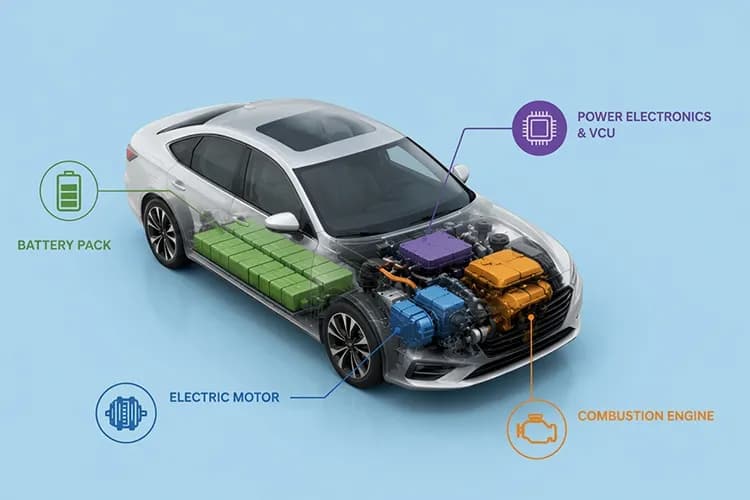
Unlike fully electric vehicles (EVs) that rely on a simple electric motor and battery, a PHEV incorporates a petrol engine, transmission, fuel system, and exhaust system. This added mechanical complexity creates more points where technical issues can arise. Recent industry data indicates that PHEVs often report more reliability concerns than pure EVs.
Battery Health Factors
Battery longevity is not solely determined by charge cycles. Factors such as battery chemistry, thermal management, and charging habits are critical. Data from 2026 shows that the average battery state of health for PHEVs is 94.27%, compared to 94.94% for EVs. Furthermore, battery failure rates for plug-in vehicles from model years 2016-2023 remain below 1%.
Regular charging and following manufacturer guidelines remain the best ways to protect battery health. While PHEVs offer versatility, their complex nature requires owners to manage two distinct power systems throughout the vehicle's life.
Writes on vehicle pricing, taxation and the Nepali auto market from ongoing tracking of distributor price lists. Editorial policy.