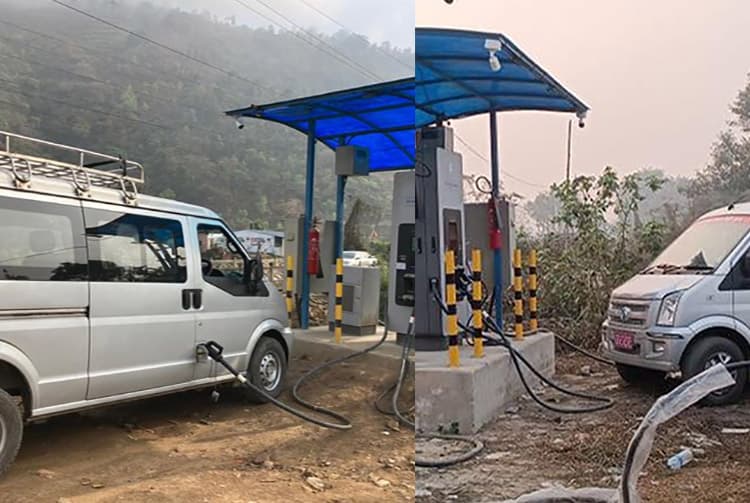
Electric vehicles in Nepal are now consuming 6 lakh units of electricity every day. This shift is helping the country save approximately 5 lakh liters of petrol and diesel daily, while reducing carbon emissions by 300 to 400 units.
Sagarmani Gyawali, head of the charging station infrastructure development project at the Nepal Electricity Authority, shared these figures during a recent policy dialogue. He noted that while the country has established 2,500 charging stations across major highways and remote areas like Jumla, Manang, and Mustang, the current setup is merely a starting point.
Key infrastructure challenges include:
- Current stations are primarily designed for long-distance microbuses.
- Future demand will require significantly higher capacity as electric bus usage grows.
- One electric bus consumes as much power as 10 small electric cars.
Existing charging units must evolve into substations to support future intercity bus connections. Government policy must also clarify the classification of charging infrastructure to ensure the sector continues to grow effectively.
Writes on vehicle pricing, taxation and the Nepali auto market from ongoing tracking of distributor price lists. Editorial policy.